


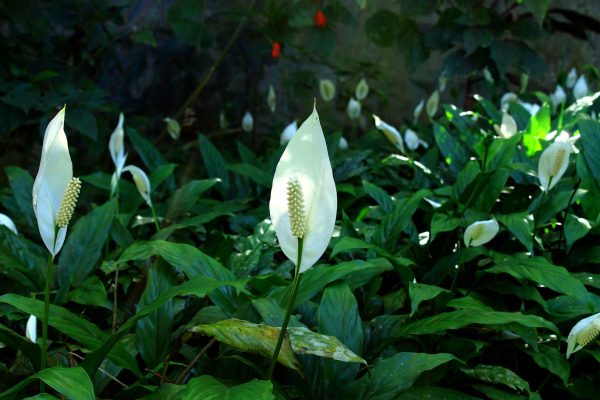
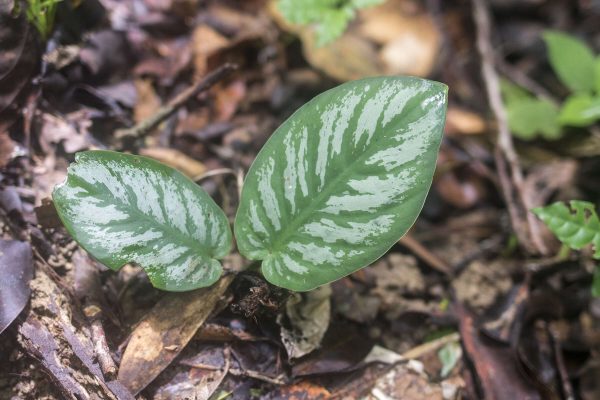
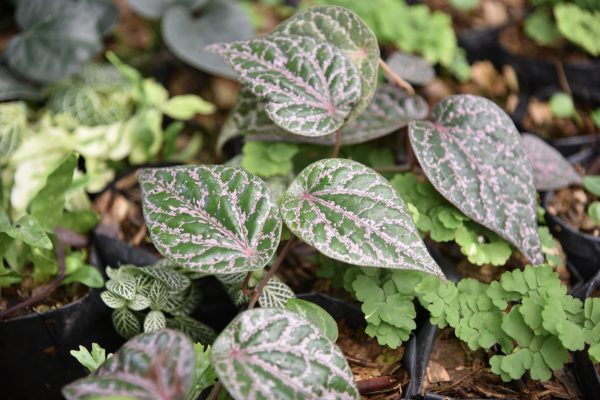
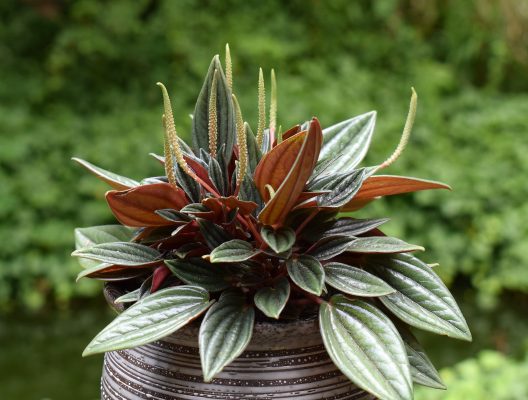
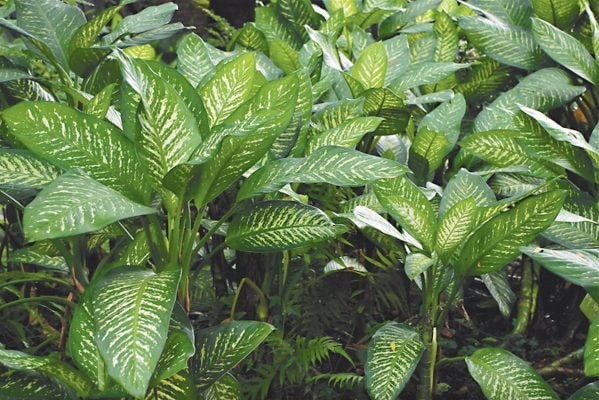
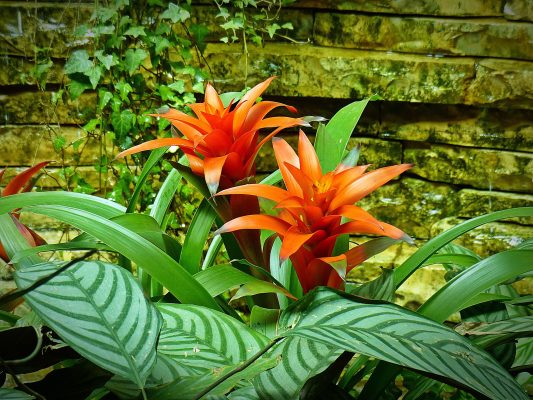
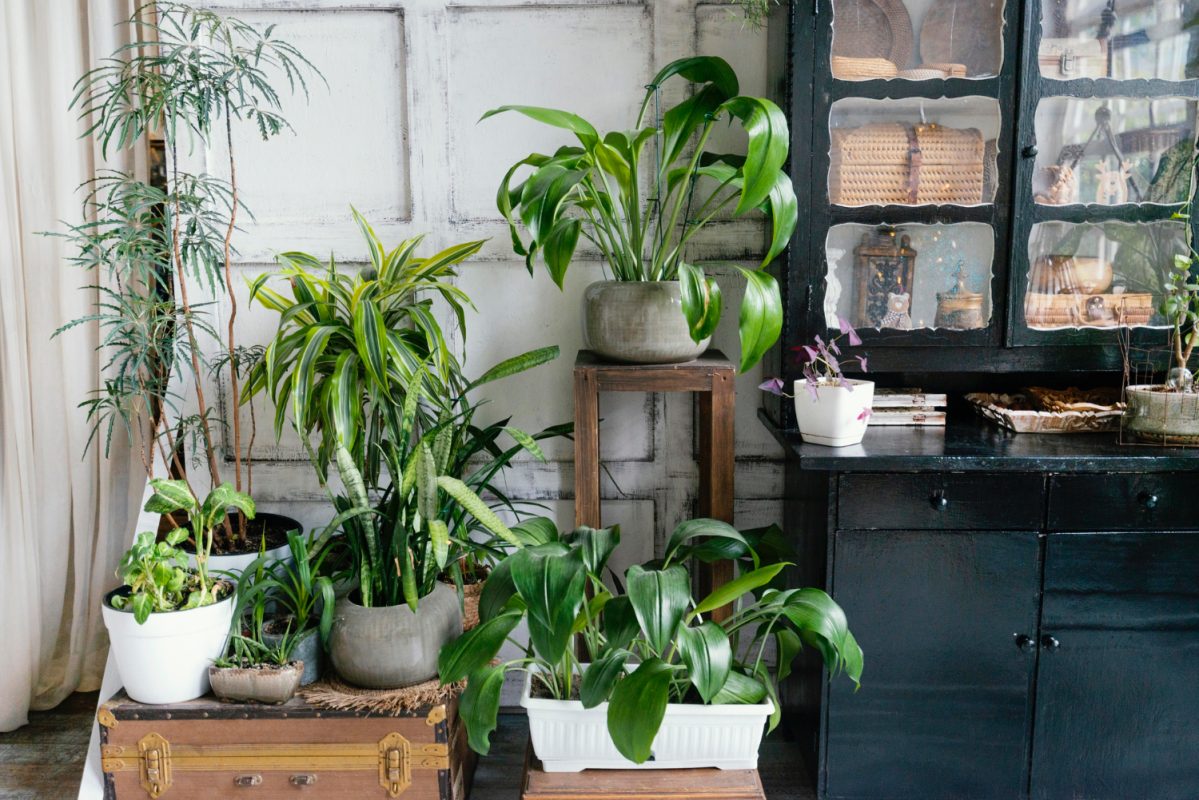
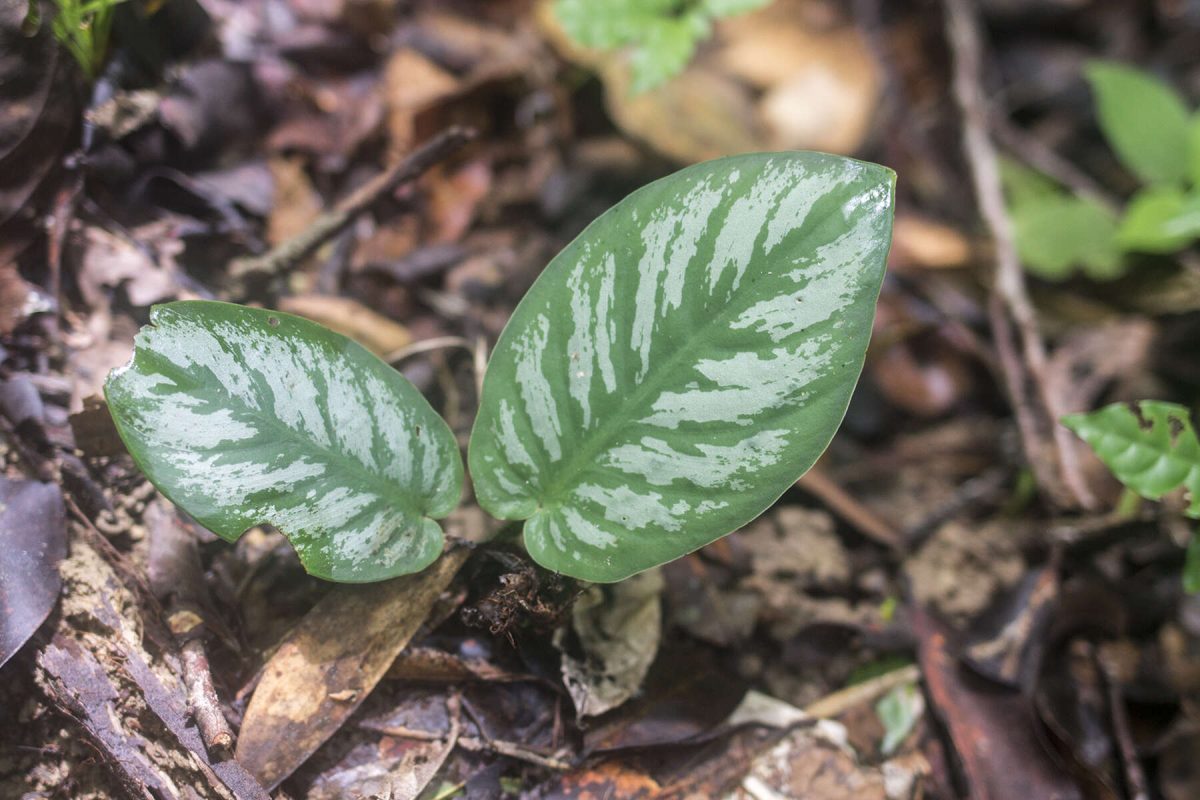
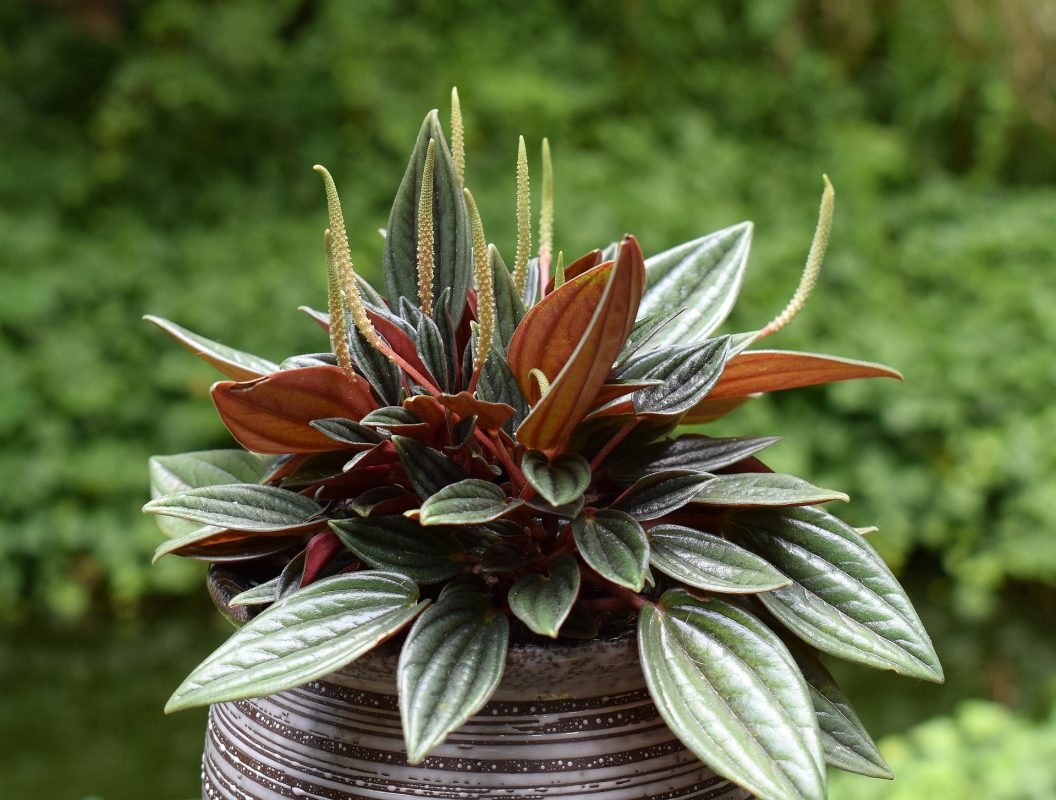
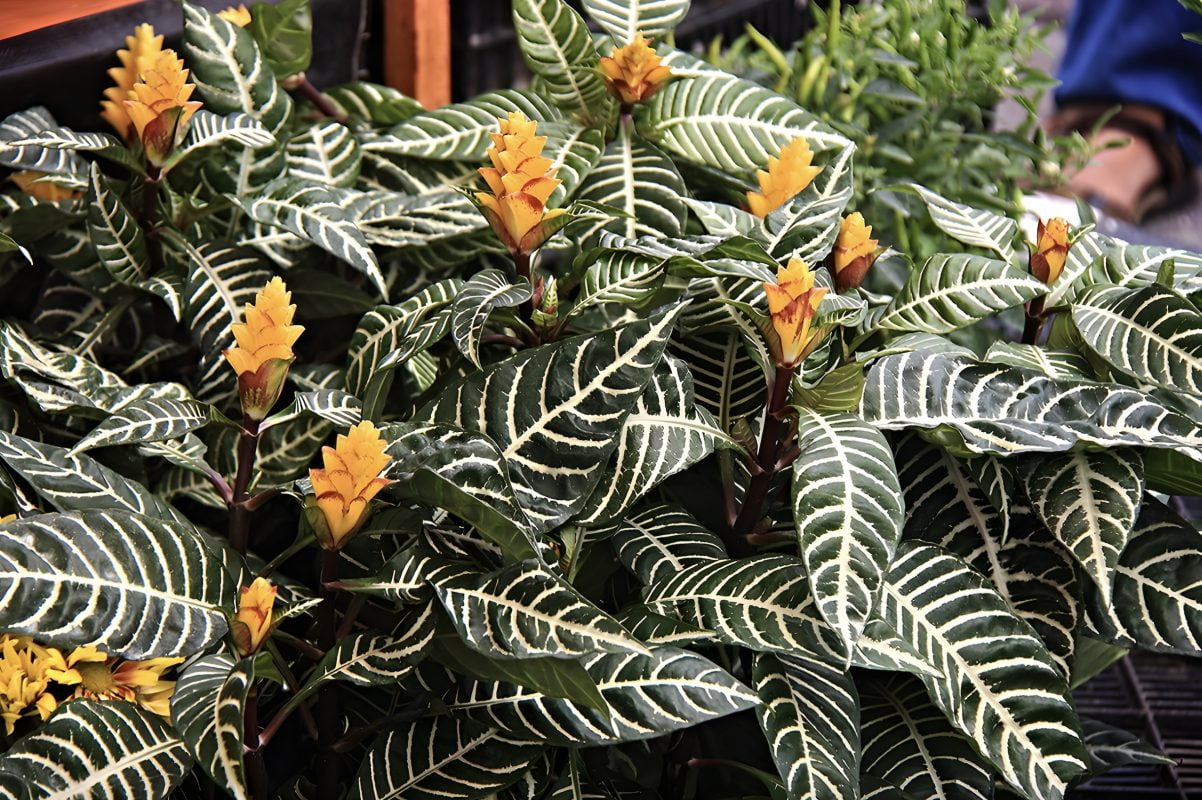
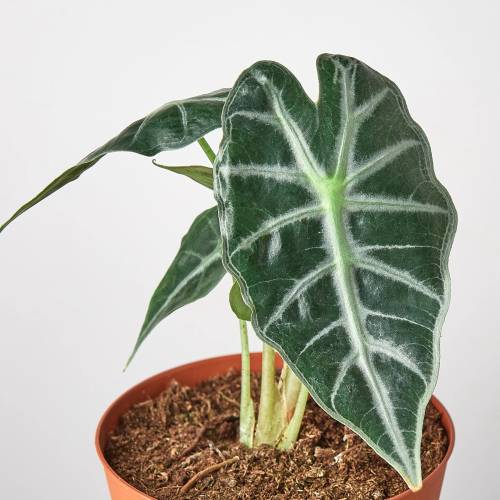
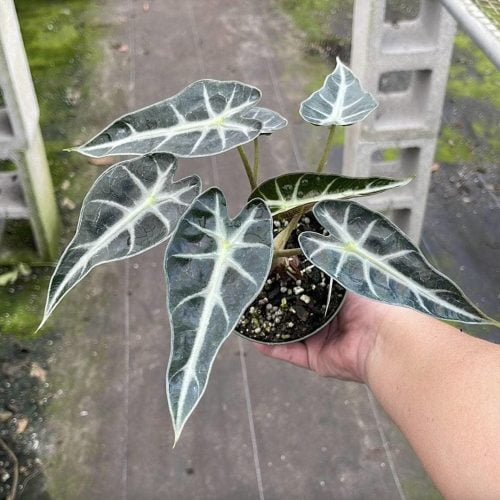
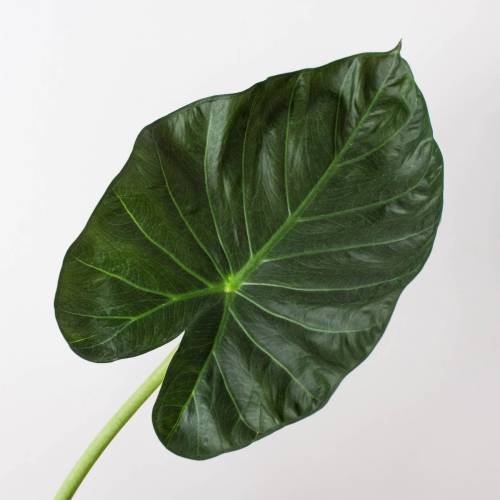
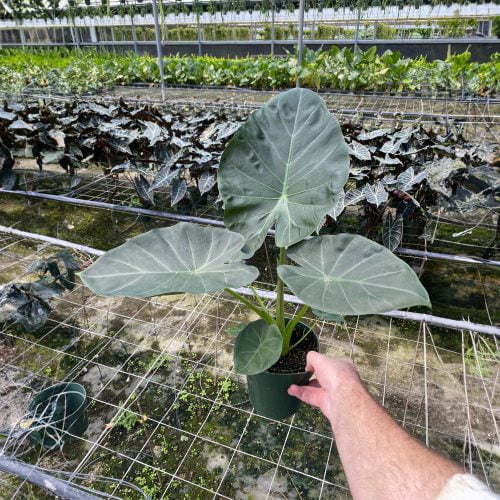
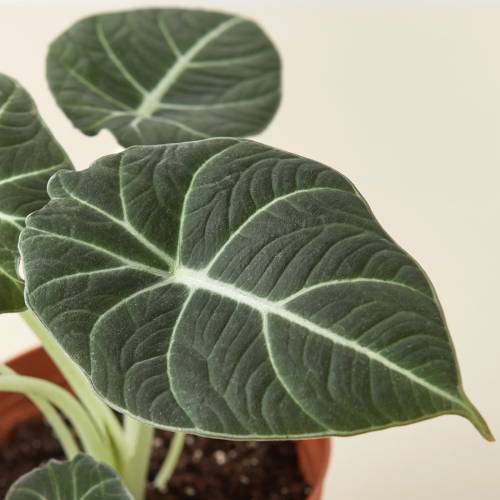
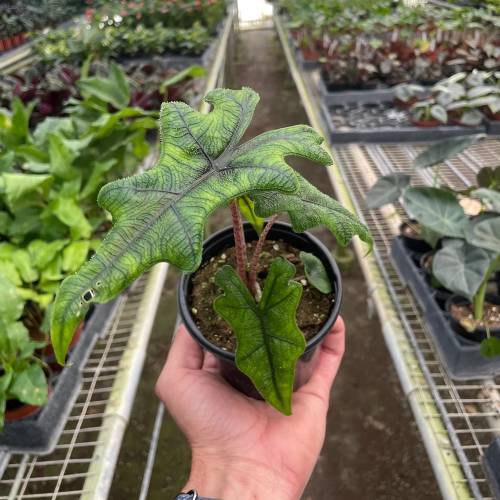
Alocasia, commonly known as Elephant Ear or African Mask Plant, is a genus of striking tropical plants celebrated for their dramatic, arrowhead-shaped leaves. This comprehensive care guide unveils the secrets to successfully growing and maintaining these bold, exotic beauties, transforming your indoor space into a lush paradise.
I. Plant Overview:
- Scientific Name: Alocasia spp.
- Common Names: Elephant Ear, African Mask Plant
- Origin: Indigenous to Southeast Asia and the Pacific Islands.
II. Light Requirements:
- Ideal Conditions: Bright, indirect light, avoiding prolonged exposure to direct sunlight.
- Tolerance: Can tolerate lower light conditions, but growth may slow.
III. Watering:
- Frequency: Water when the top inch of soil is dry. Keep soil consistently moist but not waterlogged.
- Water Quality: Use filtered or room-temperature water to avoid shocking the plant.
- Humidity: Alocasias thrive in high humidity. Regular misting or using a humidifier can be beneficial.
IV. Soil:
- Type: Well-draining, peat-based mix with added perlite or orchid bark.
- pH Level: Slightly acidic to neutral (pH 6.0-7.0).
V. Temperature and Humidity:
- Temperature: Maintain a warm environment, ideally between 65-80°F (18-27°C).
- Humidity: Aim for 60-80% humidity. Increase humidity through misting or placing a tray of water near the plant.
VI. Fertilization:
- Schedule: Feed every 2-4 weeks during the growing season (spring and summer).
- Fertilizer: Use a balanced liquid fertilizer, diluted to half strength. Reduce or cease fertilization in the dormant season.
VII. Pruning and Maintenance:
- Pruning: Remove yellow or damaged leaves. Trim back overgrown stems for a more compact shape.
- Cleaning: Wipe leaves with a damp cloth to remove dust, ensuring optimal light absorption.
VIII. Repotting:
- Frequency: Repot every 1-2 years, or when the plant outgrows its container.
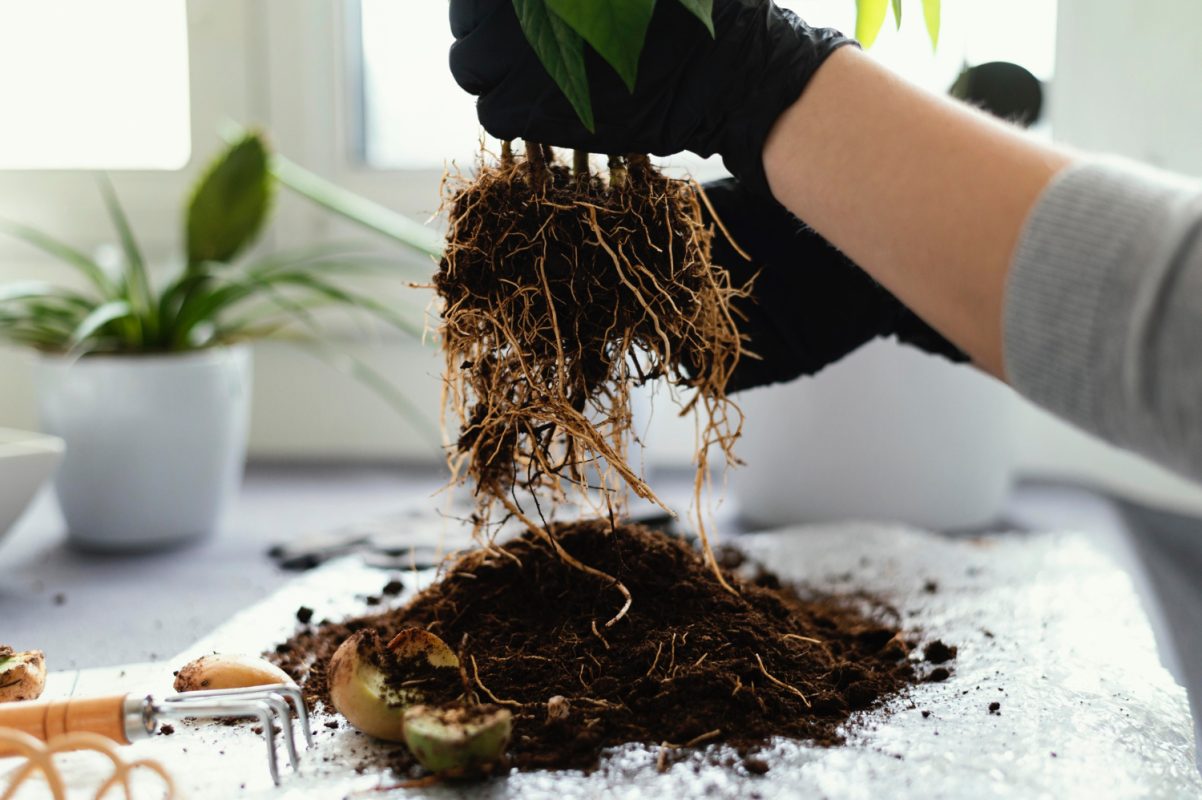
- Procedure: Gently remove the plant, inspect roots, and repot in fresh soil. Choose a container with drainage holes.
IX. Common Issues and Solutions:
- Yellowing Leaves: Overwatering or inadequate drainage. Adjust watering habits and ensure proper drainage.
- Pests: Watch for pests like spider mites or aphids. Treat with insecticidal soap or neem oil.
- Leaf Curling: Insufficient humidity or underwatering. Increase humidity or adjust watering frequency.
X. Propagation:
- Method: Division or rhizome cuttings.
- Timing: Spring or early summer.
- Process: Carefully divide rhizomes or take a cutting with roots attached. Plant in fresh soil and provide appropriate care.
Cultivating Alocasia plants can be a rewarding journey, offering a touch of tropical elegance to your living space. Armed with the knowledge in this guide, you’re well on your way to nurturing these majestic Elephant Ear plants into stunning, thriving specimens. Happy gardening!
our recommendation
you may also want to know
Ficus Care Guide: Mastering the Art of Nurturing Fiddle Leaf Figs and More
Ficus, a diverse genus that includes popular varieties like the Fiddle Leaf Fig (Ficus lyrata),...
read more
Anthurium Care Guide: Nurturing Exotic Heart-Shaped Blooms
Anthuriums, also known as "Flamingo Flowers" or "Laceleaf," are captivating houseplants cherished for their glossy,...
read more
Bird of Paradise Care Guide: Cultivating Tropical Splendor in Your Home
The Bird of Paradise, scientifically known as Strelitzia reginae, is a majestic tropical plant renowned...
read more
Pellionia Care Guide: Unveiling the Unique Elegance of Trailing Watermelon Begonia
Pellionias, commonly known as Trailing Watermelon Begonias, are celebrated for their striking foliage and trailing...
read more
Why Your Plant Is Losing Leaves and How to Fix It
If you've noticed your plant shedding leaves, it can be a cause for concern. Leaf...
read more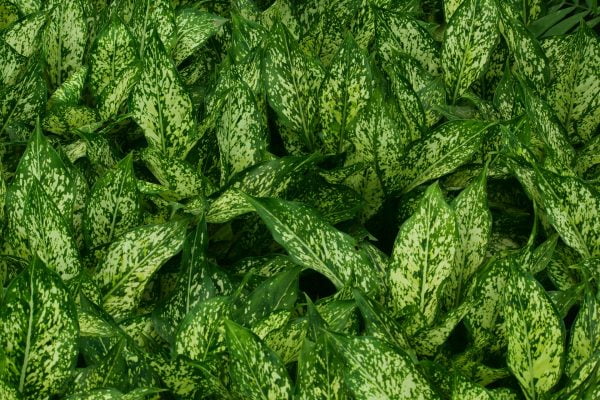
Chinese Evergreen Care Guide: Sustaining Tranquil Beauty in Your Indoor Oasis
The Chinese Evergreen, scientifically known as Aglaonema spp., stands as a symbol of endurance and...
read more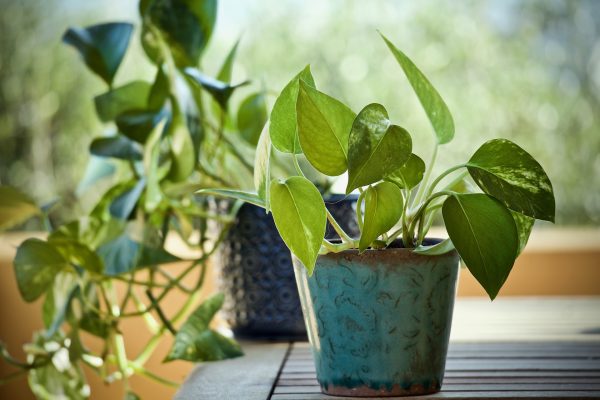
Pothos Care Guide: Embracing Lush Elegance with Heart-Shaped Leaves
Pothos, celebrated for its heart-shaped leaves and low-maintenance nature, is a popular choice for both...
read more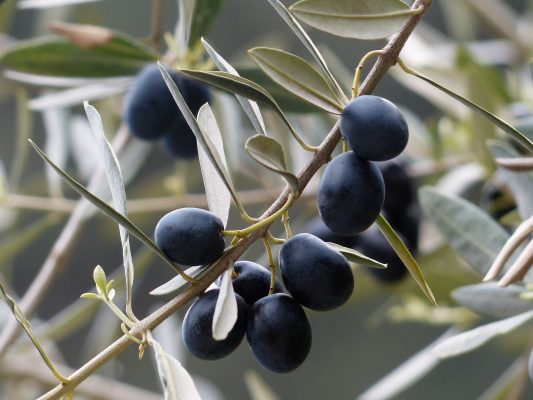
Olive Tree Care Guide: Cultivating Timeless Elegance and Culinary Delights
The Olive Tree, an emblem of enduring beauty and a source of delectable fruits, graces...
read more