









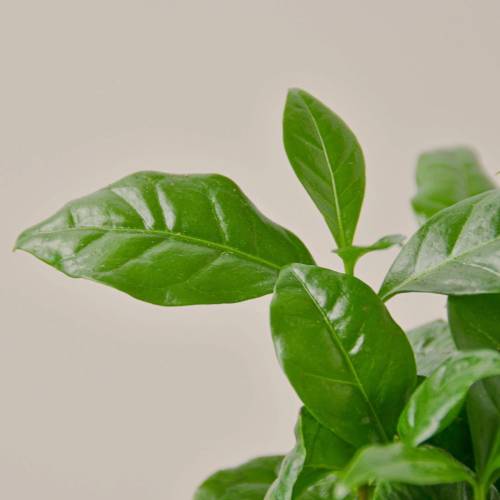
The Coffee Tree, scientifically known as Coffea spp., is the source of the beloved beverage that kickstarts our mornings. This comprehensive care guide is your key to cultivating a thriving Coffee Tree, allowing you to enjoy the satisfaction of growing your own coffee beans and relishing the process from plant to cup.
I. Plant Overview:
- Scientific Name: Coffea spp.
- Common Names: Coffee Tree, Arabica Coffee, Robusta Coffee
- Origin: Native to tropical regions of Africa and Asia.
II. Light Requirements:
- Ideal Conditions: Bright, filtered light. Avoid direct sunlight, especially in hot climates.
- Tolerance: Can tolerate lower light conditions, but growth may be slow, and productivity may decrease.
III. Watering:
- Frequency: Keep the soil consistently moist but not waterlogged. Water when the top inch of soil feels slightly dry.
- Water Quality: Use room-temperature water. Ensure good drainage to prevent root rot.
- Humidity: Coffee Trees thrive in higher humidity. Regular misting or placing a humidity tray nearby can be beneficial.
IV. Soil:
- Type: Well-draining, acidic soil with good organic content. A mix for acid-loving plants or potting mix for fruits is suitable.
- pH Level: Slightly acidic to neutral (pH 6.0-6.5).
V. Temperature and Humidity:
- Temperature: Maintain a warm environment between 60-70°F (15-24°C). Protect from cold drafts.
- Humidity: Coffee Trees prefer higher humidity. If your home is dry, consider using a humidifier or placing the plant in a group with other plants.
VI. Fertilization:
- Schedule: Feed every 4-6 weeks during the growing season (spring and summer).
- Fertilizer: Use a balanced fertilizer with micronutrients. Dilute to half strength to avoid over-fertilizing.
VII. Pruning and Maintenance:
- Pruning: Trim back leggy growth and remove any dead or yellowing leaves. Shape the tree for a bushier appearance.
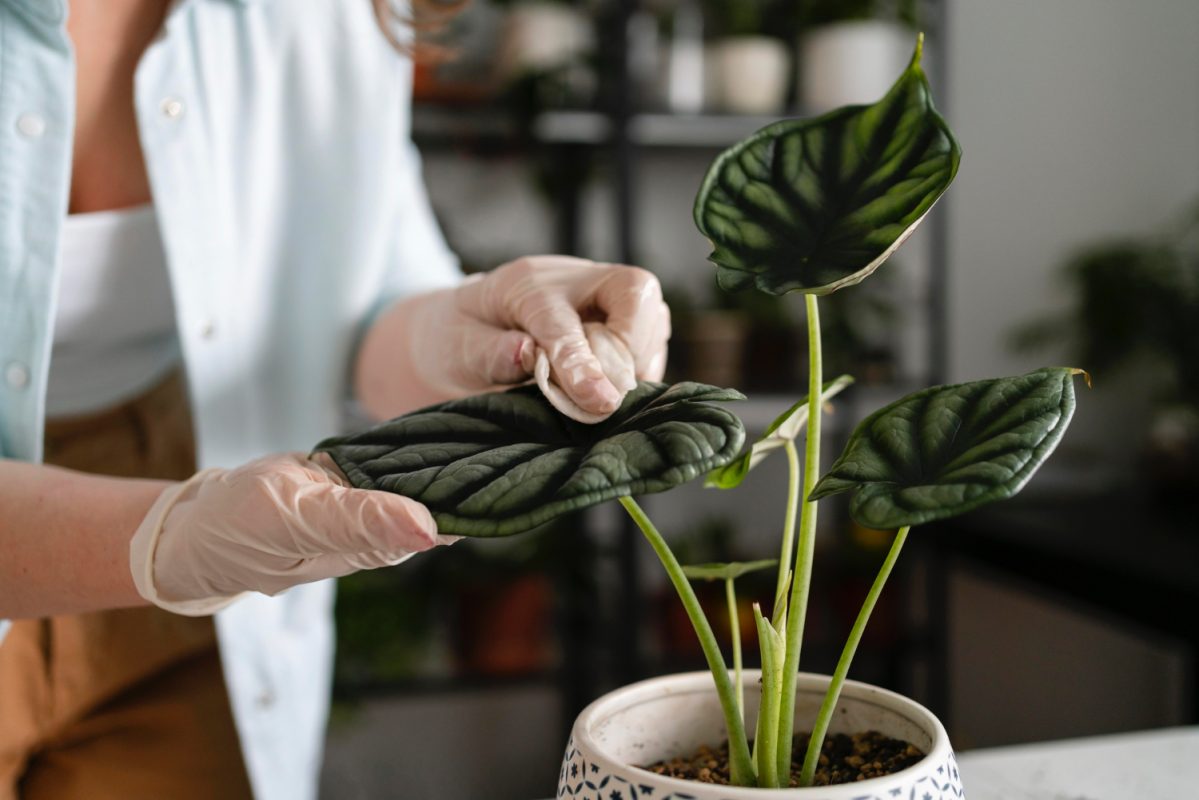
- Cleaning: Wipe leaves with a damp cloth to remove dust, allowing better light absorption.
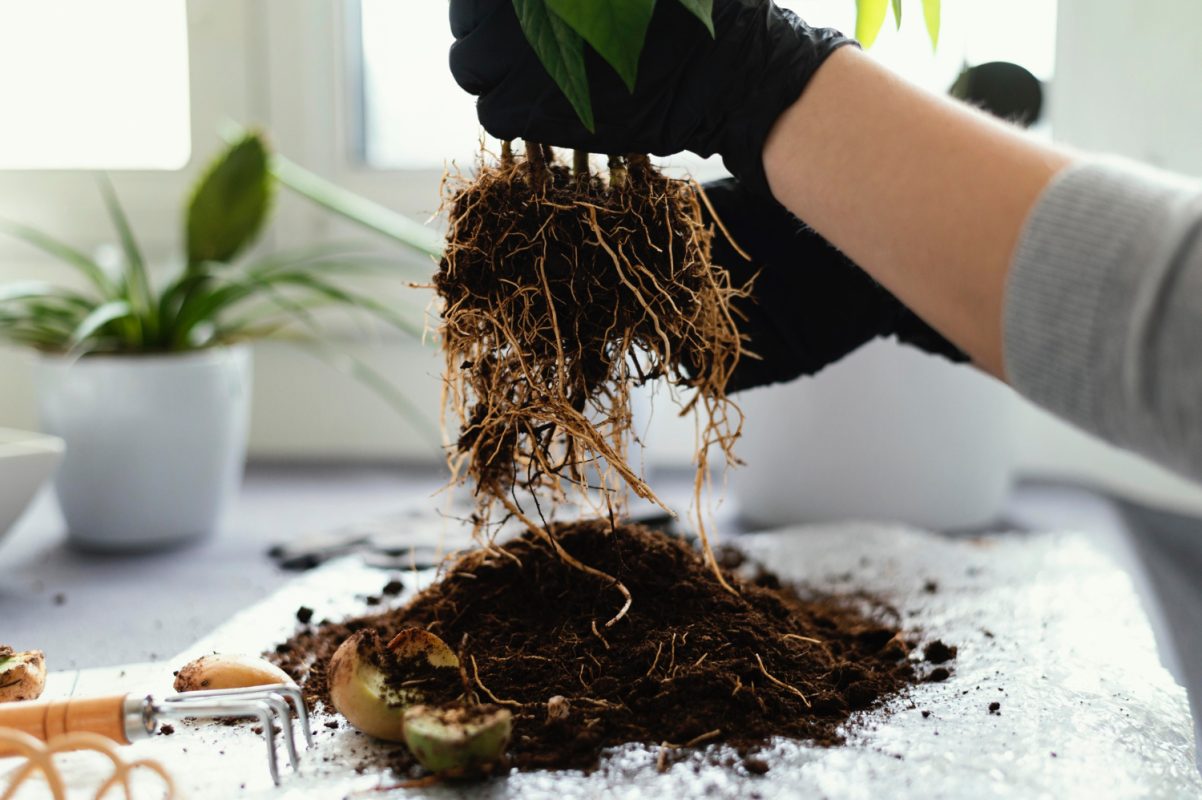
VIII. Repotting:
- Frequency: Repot every 2-3 years or when the plant outgrows its container.
- Procedure: Gently remove the plant, inspect roots, and repot in fresh soil. Choose a container with drainage holes.
IX. Common Issues and Solutions:
- Yellowing Leaves: Overwatering, underwatering, or nutrient deficiency. Adjust watering and fertilization accordingly.
- Pests: Watch for pests like aphids or scale. Treat with insecticidal soap or neem oil.
- Leaf Browning: Dry air or exposure to direct sunlight. Increase humidity and provide shade if needed.
X. Propagation:
- Method: Seeds or stem cuttings.
- Timing: Best done in spring.
- Process: Plant fresh coffee seeds in a seed-starting mix or take stem cuttings with at least two nodes. Provide consistent warmth and moisture until roots develop.
Growing your own Coffee Tree is a delightful journey from plant care to brewing your own cup of coffee. This guide equips you with the knowledge to nurture a thriving Coffee Tree, bringing the joy of homegrown coffee to your daily ritual. Happy gardening and brewing!
our recommendation
you may also want to know

Top 15 Pet Friendly Plants for Cats and Dogs
If you're a pet owner who loves plants, finding greenery that is safe for your...
read more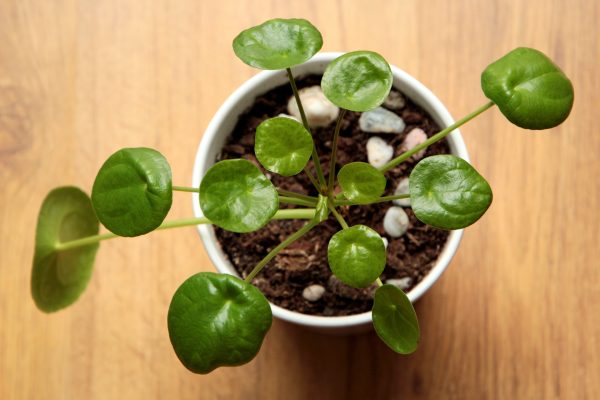
Pilea Care Guide: Nurturing the Quirky Elegance of Chinese Money Plant
Pilea, affectionately known as the Chinese Money Plant, charms with its distinctive circular leaves and...
read more
Chinese Evergreen Care Guide: Sustaining Tranquil Beauty in Your Indoor Oasis
The Chinese Evergreen, scientifically known as Aglaonema spp., stands as a symbol of endurance and...
read more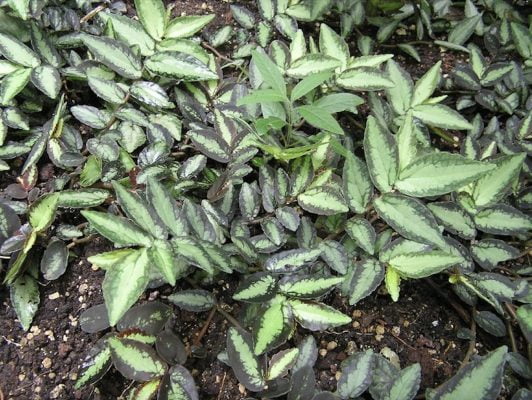
Pellionia Care Guide: Unveiling the Unique Elegance of Trailing Watermelon Begonia
Pellionias, commonly known as Trailing Watermelon Begonias, are celebrated for their striking foliage and trailing...
read more
Calathea Care Guide: Embracing the Vibrant Elegance of Prayer Plants
Calatheas, cherished for their vibrant and intricately patterned foliage, are a stunning family of houseplants...
read more
Poinsettia Care Guide: Nurturing the Festive Elegance of Holiday Stars
Poinsettias, renowned for their vibrant red bracts and association with the holiday season, bring a...
read more
Money Tree Care Guide: Growing Prosperity with Feng Shui Foliage
The Money Tree, esteemed for its unique braided trunk and five-fingered leaves, is not only...
read more
Anthurium Care Guide: Nurturing Exotic Heart-Shaped Blooms
Anthuriums, also known as "Flamingo Flowers" or "Laceleaf," are captivating houseplants cherished for their glossy,...
read more