


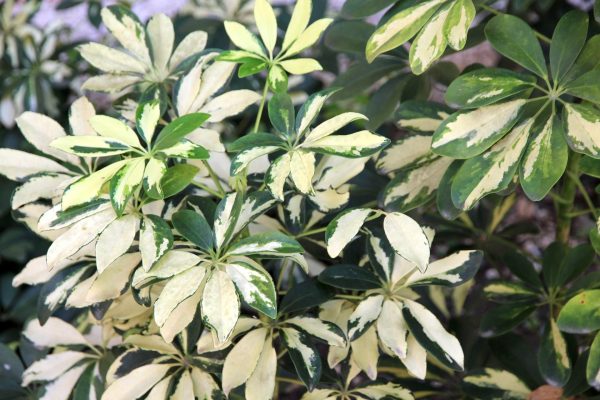
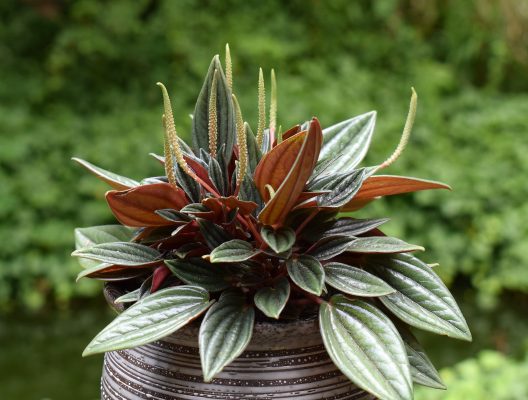
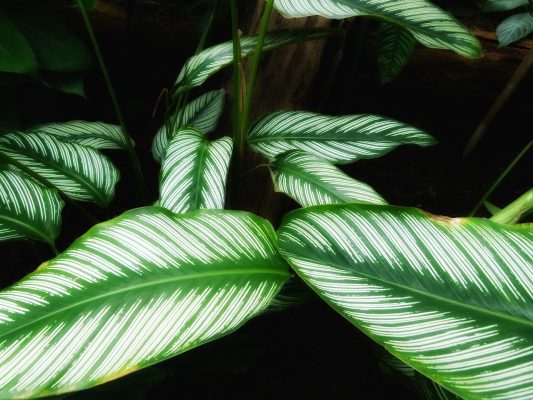
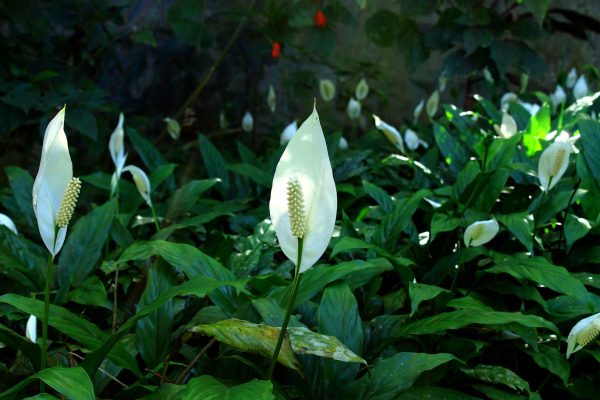
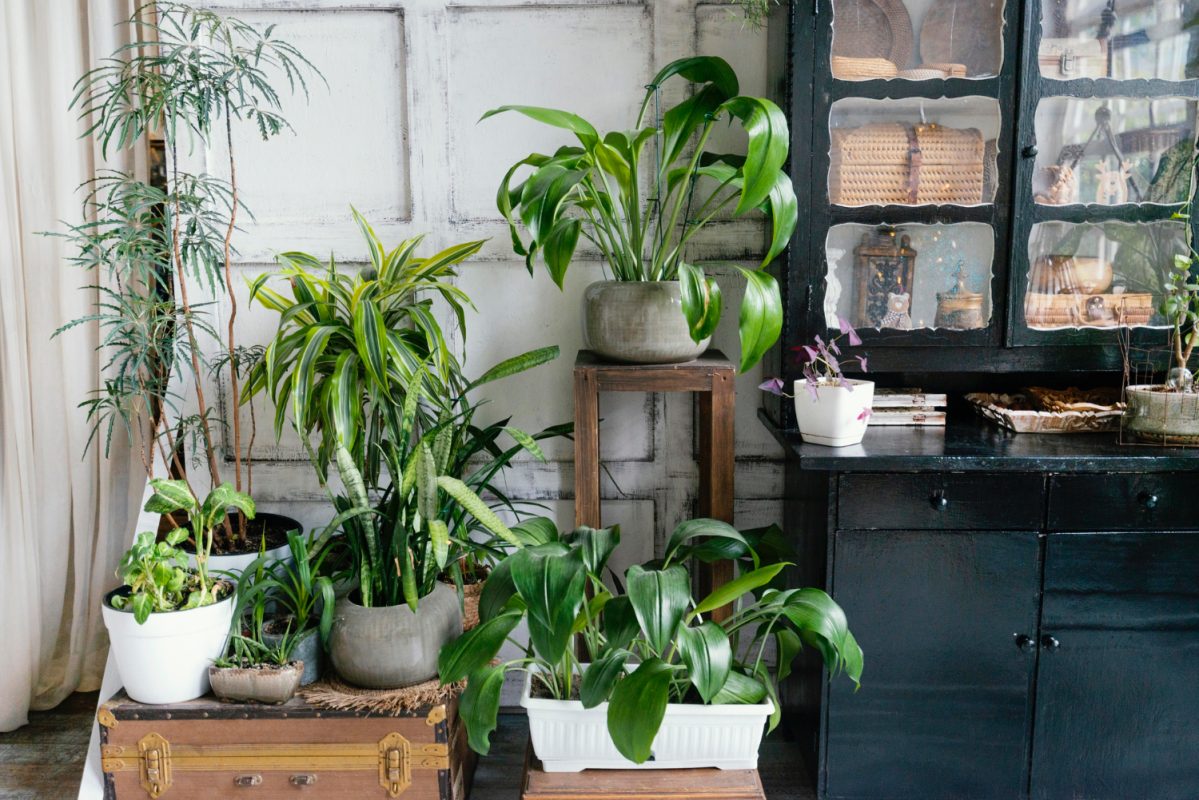
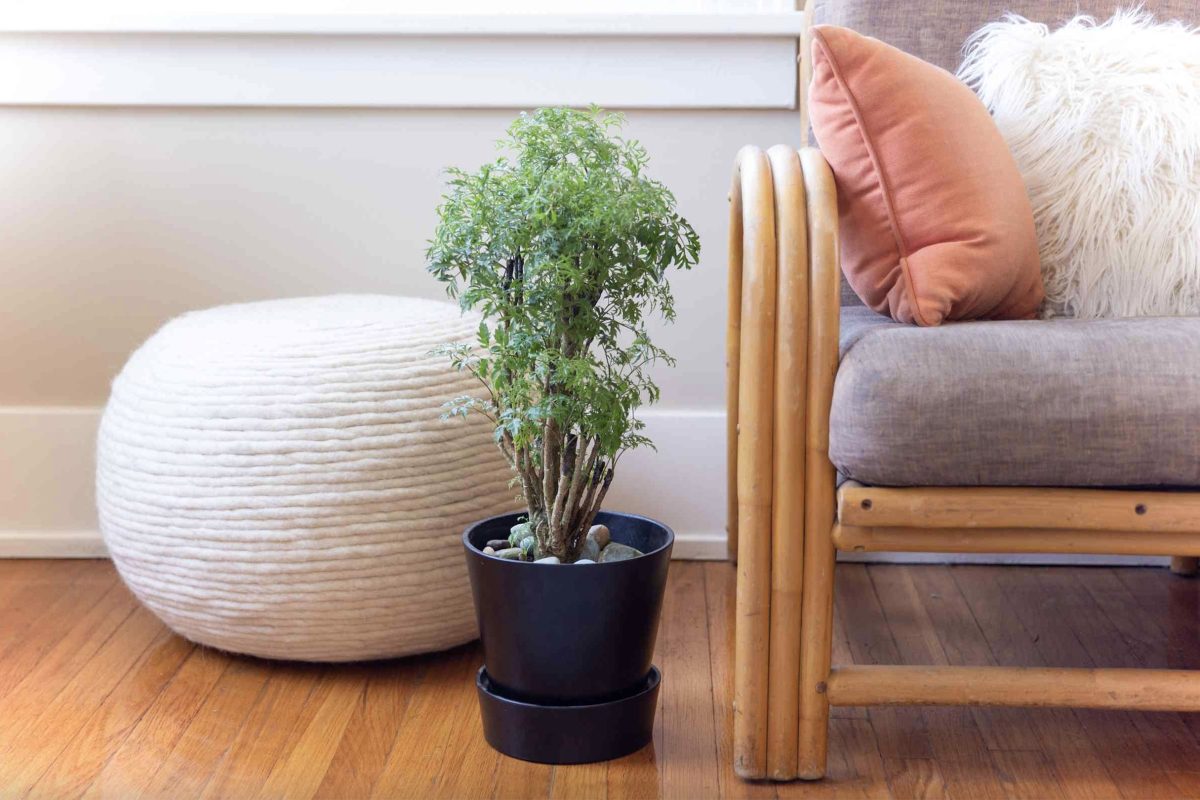
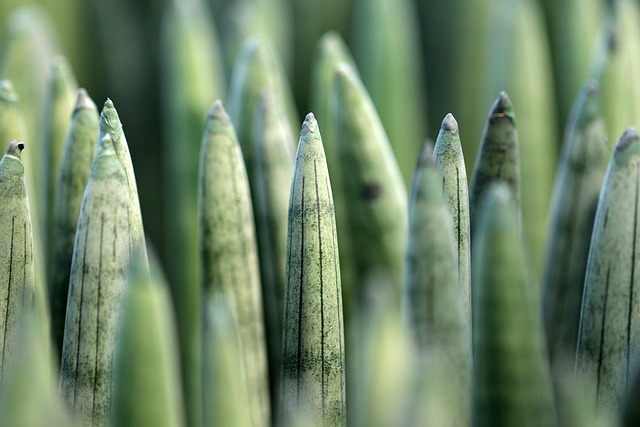
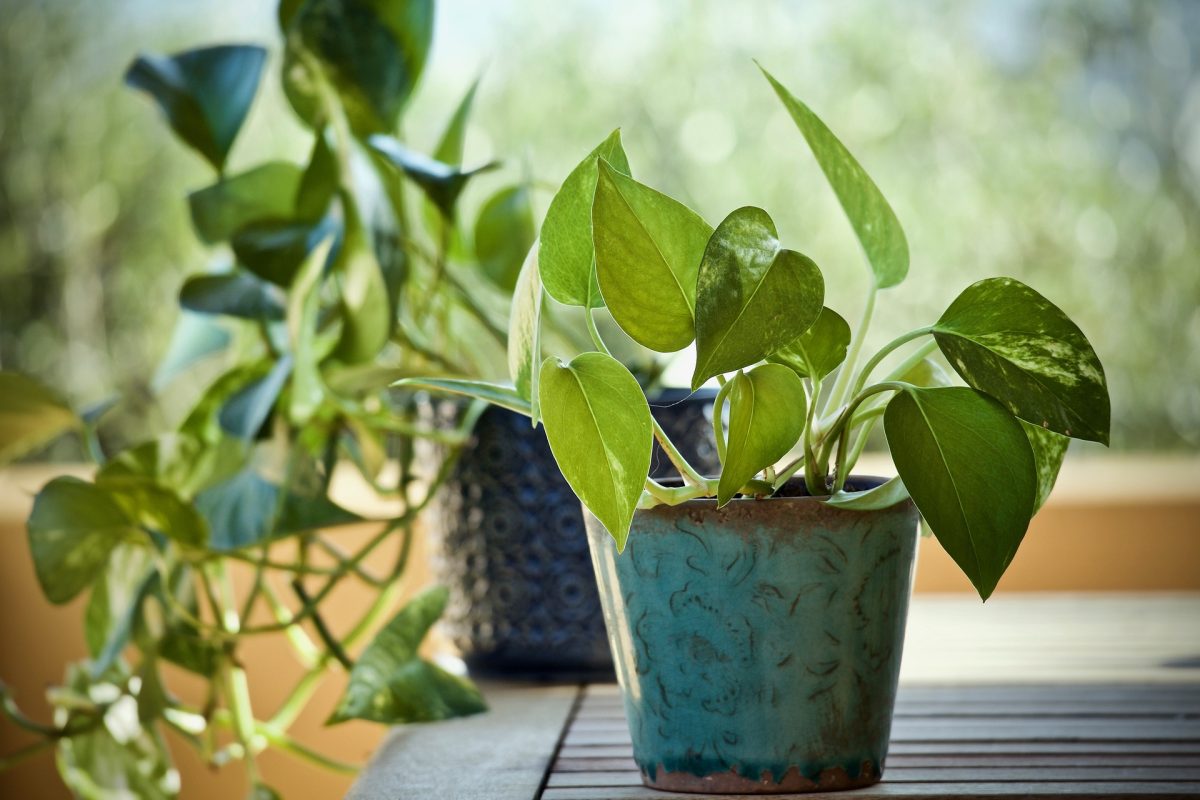
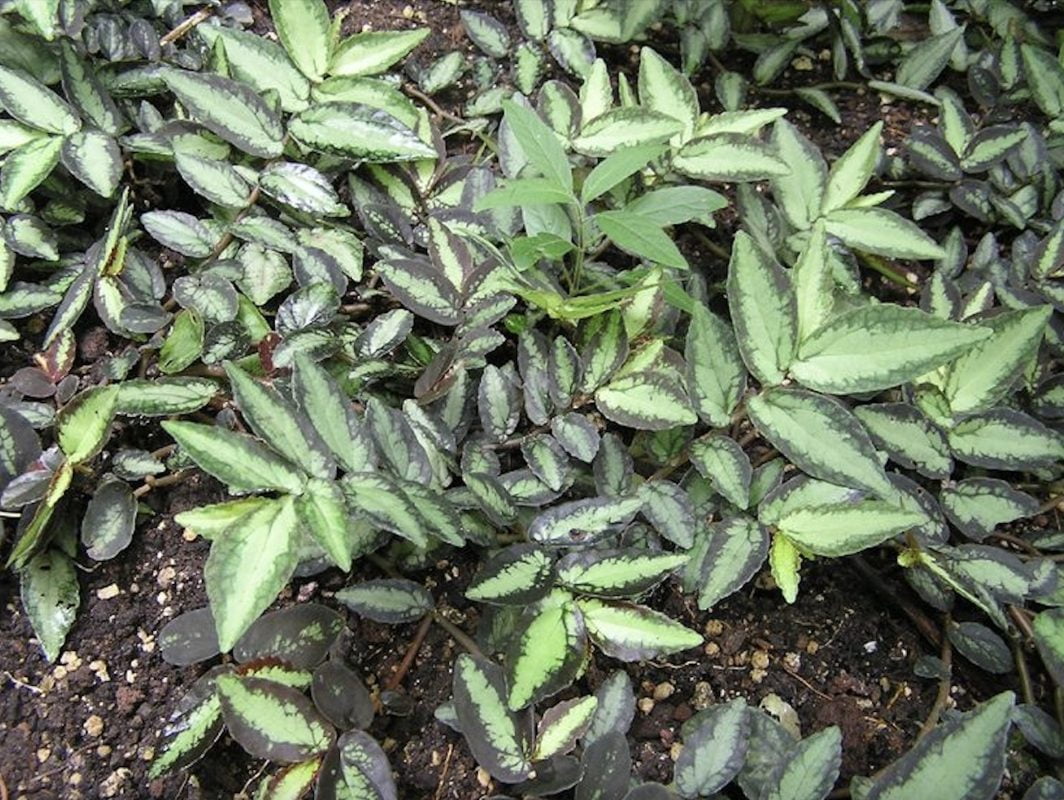
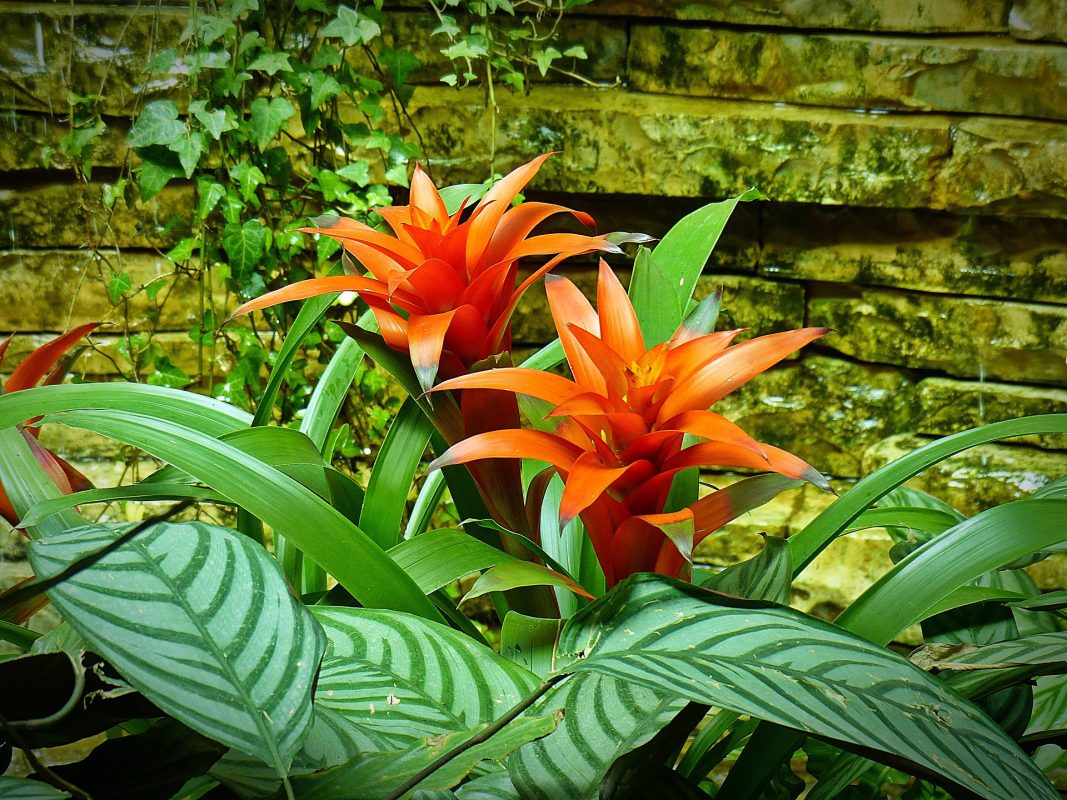
Monolena, commonly known as Lace Flower Plants, captivates with its delicate foliage and charming flowers. This comprehensive care guide is your roadmap to cultivating the graceful beauty of Monolena, guiding you through the steps to encourage lush growth, maintain optimal conditions, and infuse your living space with the natural charm of this unique and enchanting species.
I. Plant Overview:
- Scientific Name: Monolena spp.
- Common Names: Lace Flower Plant, Monolena
- Origin: Native to tropical regions of South America.
II. Light Requirements:
- Ideal Conditions: Bright, indirect light. Monolena thrives in filtered sunlight.
- Tolerance: Adaptable to lower light conditions, but growth may slow.
III. Watering:
- Frequency: Keep the soil consistently moist but not waterlogged. Water when the top inch of soil feels slightly dry.
- Water Quality: Use room-temperature water. Monolena appreciates higher humidity levels.
- Humidity: Adapts well to average indoor humidity levels.
IV. Soil:
- Type: Well-draining potting mix. A mix for tropical plants or a blend of peat, perlite, and pine bark is suitable.
- pH Level: Slightly acidic to neutral (pH 6.0-7.0).
V. Temperature and Humidity:
- Temperature: Maintain a warm environment between 65-75°F (18-24°C).
- Humidity: Monolena appreciates higher humidity levels. Regular misting or using a humidity tray is beneficial.
VI. Fertilization:
- Schedule: Feed every 4-6 weeks during the growing season (spring and summer).
- Fertilizer: Use a balanced liquid fertilizer, diluted to half strength. Reduce fertilization in the dormant season.
VII. Pruning and Maintenance:
- Pruning: Trim to control size and shape. Remove spent flowers for a tidy appearance.
- Cleaning: Wipe leaves with a damp cloth to remove dust. Remove any yellow or damaged leaves.
VIII. Repotting:
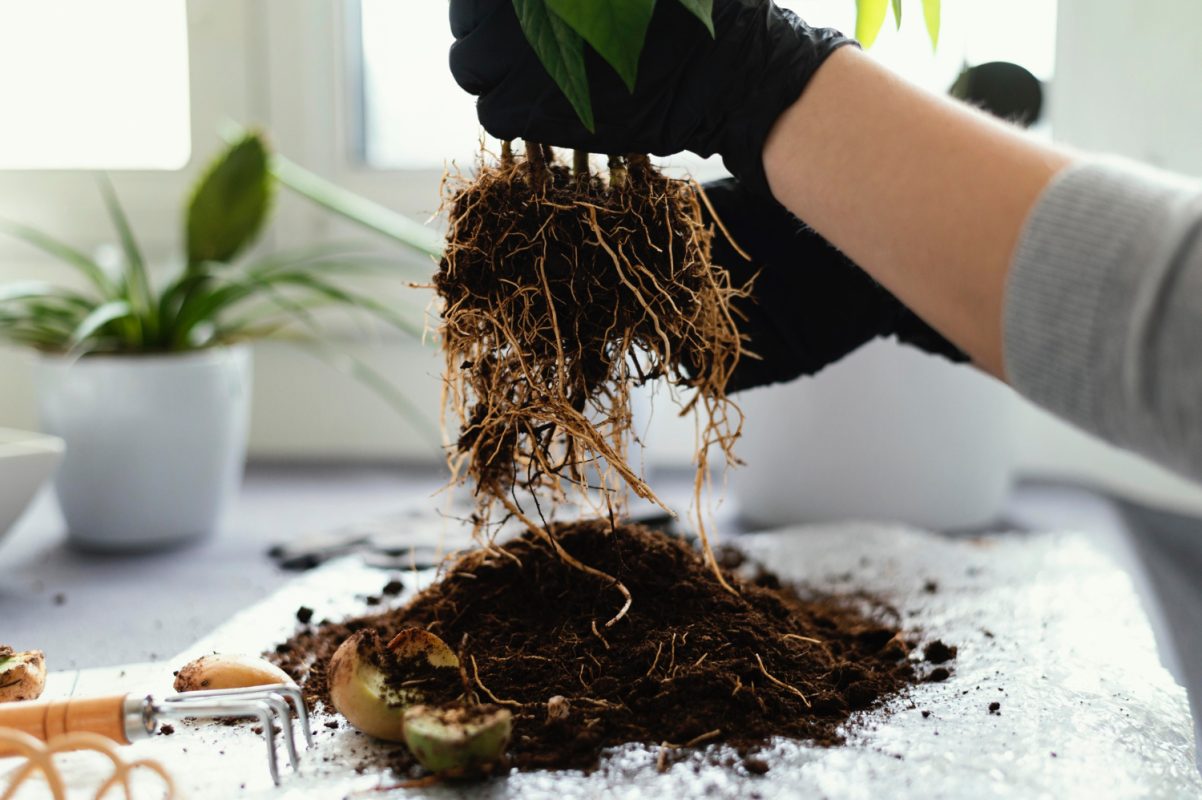
- Frequency: Repot every 1-2 years or when the Monolena outgrows its container.
- Procedure: Gently lift the plant, inspect roots, and repot in fresh soil. Choose a container with drainage holes.
IX. Common Issues and Solutions:
- Yellowing Leaves: Overwatering. Allow the soil to dry out between waterings.
- Pests: Check for aphids or spider mites. Treat with insecticidal soap if necessary.
- Leggy Growth: Provide brighter light to encourage compact growth.
X. Display Tips:
- Showcase the delicate foliage and charming flowers of Monolena as a focal point in your living space.
- Combine Monolena with other tropical or flowering plants for a vibrant indoor garden.
- Use decorative pots that complement the enchanting nature of Lace Flower Plants.
Cultivating Monolena brings delicate beauty to your living space. This guide empowers you to care for Lace Flower Plants, ensuring their enchanting beauty thrives and enhances the natural allure of your indoor environment. Happy gardening!
our recommendation
you may also want to know
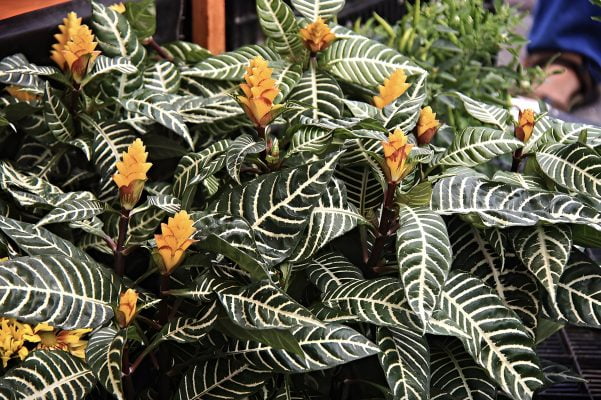
Zebra Plant Care Guide: Unveiling the Striking Charms of Aphelandra Squarrosa
The Zebra Plant, celebrated for its distinctive striped foliage and vibrant bracts, is a captivating...
read more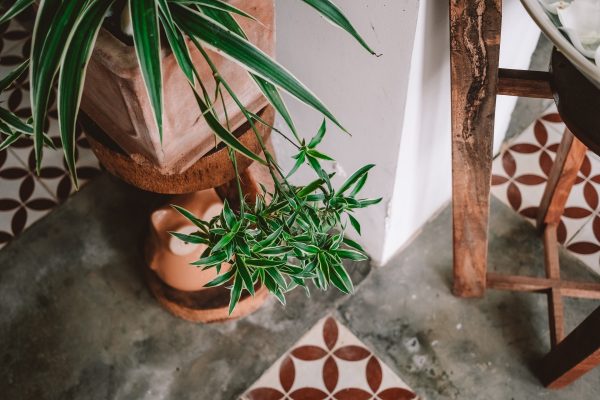
Dracaena Care Guide: Nurturing Elegance and Air-Purifying Grace
Dracaena, a diverse and captivating genus of plants, is prized for its stunning foliage and...
read more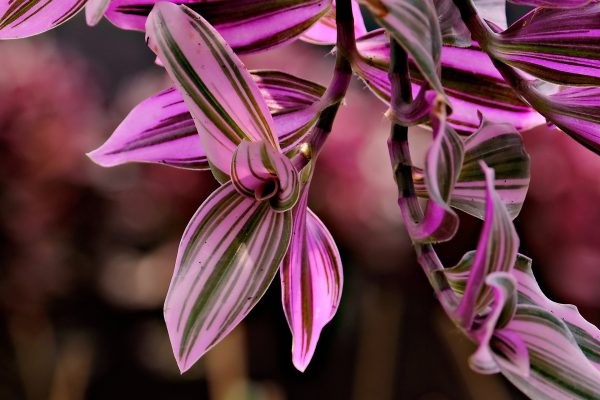
Tradescantia Care Guide: Unveiling the Colorful Cascades of Wandering Jew Plants
Tradescantia, known for its vibrant foliage and trailing vines, is a dynamic and easy-to-care-for houseplant...
read more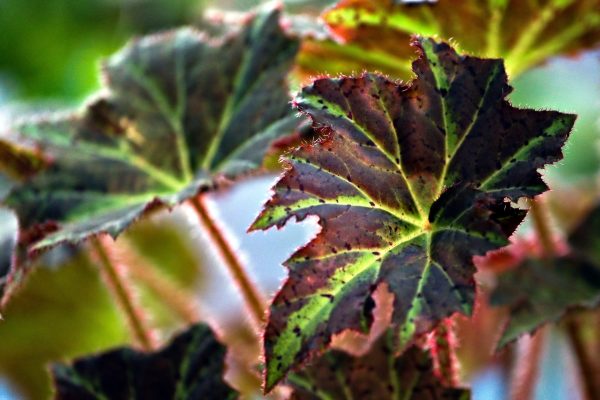
Begonia Care Guide: Nurturing the Graceful Beauty of Begonia Hybrids
Begonias, cherished for their diverse and ornamental foliage, are a family of plants that add...
read more
Top 15 Pet Friendly Plants for Cats and Dogs
If you're a pet owner who loves plants, finding greenery that is safe for your...
read more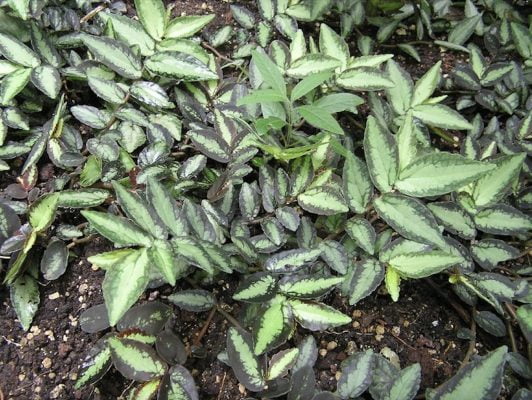
Pellionia Care Guide: Unveiling the Unique Elegance of Trailing Watermelon Begonia
Pellionias, commonly known as Trailing Watermelon Begonias, are celebrated for their striking foliage and trailing...
read more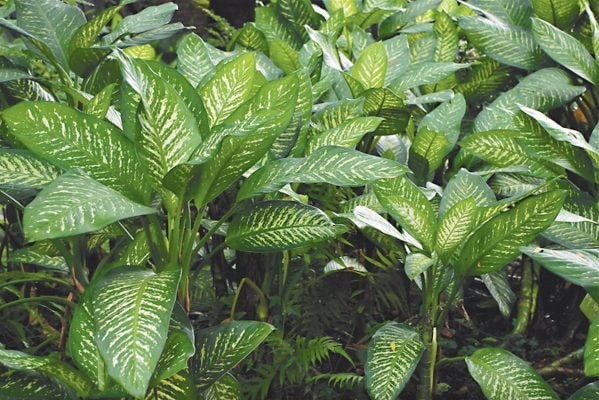
Dieffenbachia Care Guide: Unveiling the Elegance of Dumb Cane
Dieffenbachia, colloquially known as Dumb Cane, is a classic indoor plant admired for its large,...
read more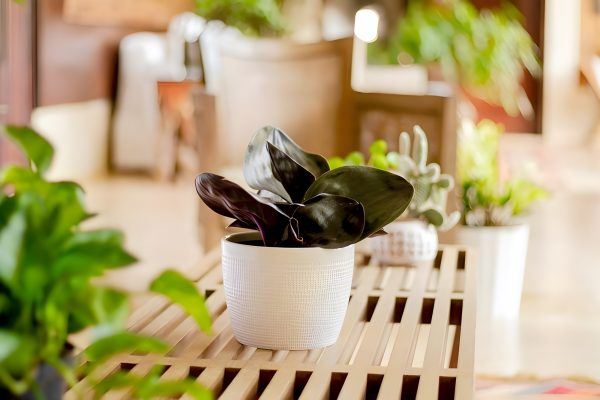
Geogenanthus Care Guide: Nurturing the Unique Beauty of Jewel Plants
Geogenanthus, often referred to as Jewel Plants, captivates with its unique foliage and charming appearance....
read more