


Poinsettias, renowned for their vibrant red bracts and association with the holiday season, bring a touch of festive elegance to homes and gardens. This comprehensive care guide is your key to cultivating the beauty of Poinsettias, guiding you through the steps to encourage robust growth, maintain optimal conditions, and infuse your living space with the seasonal charm of this iconic and celebratory species.
I. Plant Overview:
- Scientific Name: Euphorbia pulcherrima
- Common Names: Poinsettia, Christmas Star
- Origin: Native to Mexico.
II. Light Requirements:
- Ideal Conditions: Bright, indirect light. Poinsettias thrive in well-lit areas.
- Tolerance: Adaptable to lower light conditions, but bright light is preferred.
III. Watering:
- Frequency: Allow the top inch of soil to dry before watering. Water thoroughly and let excess water drain.
- Water Quality: Use room-temperature water. Poinsettias are sensitive to waterlogged soil.
- Humidity: Adapts well to average indoor humidity levels.
IV. Soil:
- Type: Well-draining potting mix. A mix for houseplants or a blend of peat, perlite, and pine bark is suitable.
- pH Level: Slightly acidic to neutral (pH 6.0-7.0).
V. Temperature and Humidity:
- Temperature: Maintain a warm environment between 65-75°F (18-24°C).
- Humidity: Poinsettias tolerate average indoor humidity levels.
VI. Fertilization:
- Schedule: Feed every 2-4 weeks during the growing season (spring and summer).
- Fertilizer: Use a balanced liquid fertilizer, diluted to half strength. Reduce fertilization after the flowering season.
VII. Pruning and Maintenance:
- Pruning: Trim to control size and shape after the blooming period. Pinch back leggy growth for bushier plants.
- Cleaning: Wipe leaves with a damp cloth to remove dust. Remove any yellow or damaged leaves.
VIII. Repotting:
- Frequency: Poinsettias are typically discarded after the blooming season. If desired, repot in fresh soil the following spring.
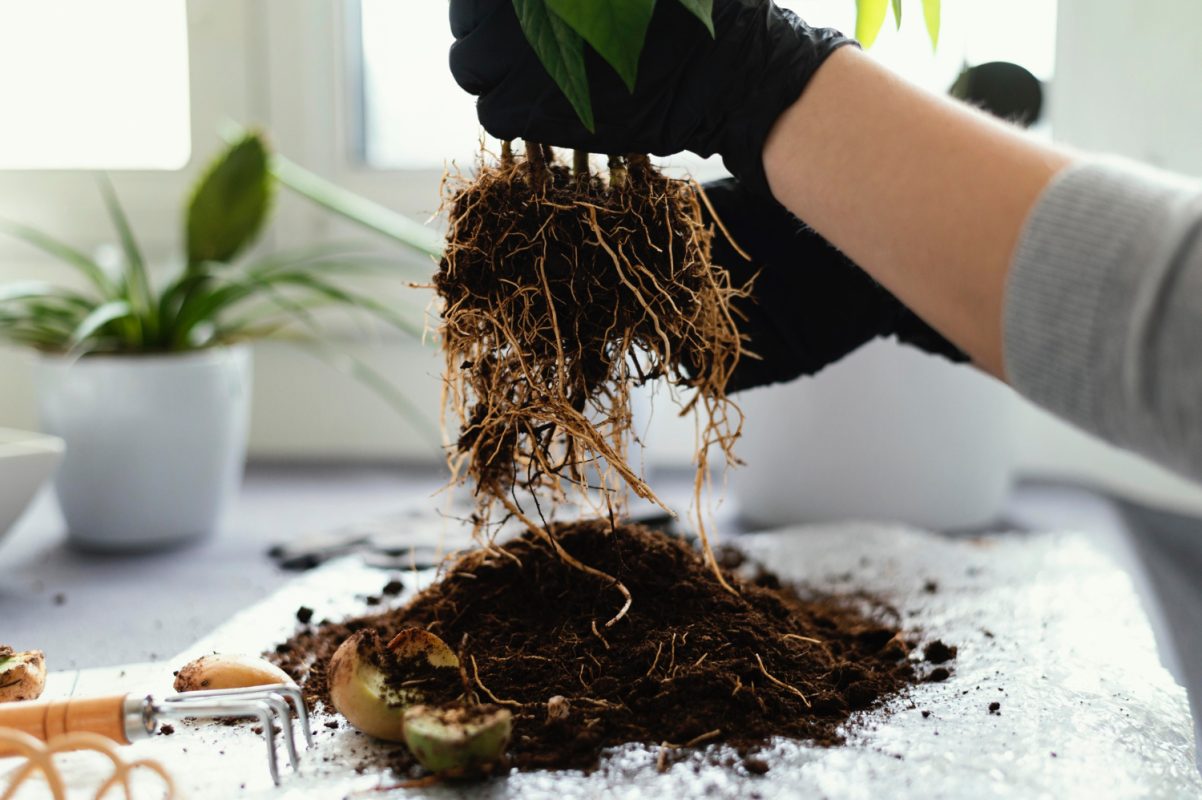
- Procedure: Gently lift the plant, inspect roots, and repot in fresh soil. Choose a container with drainage holes.
IX. Common Issues and Solutions:
- Leaf Drop: Normal response to changes in light or temperature. Provide stable conditions.
- Pests: Check for whiteflies or aphids. Treat with insecticidal soap if necessary.
- Premature Blooming: Ensure strict light conditions, as any exposure to light during the dark period may hinder flowering.
X. Display Tips:
- Showcase the vibrant red bracts of Poinsettias as festive centerpieces during the holiday season.
- Group Poinsettias together for a dramatic and celebratory display.
- Decorate with festive containers to complement the seasonal appeal of Christmas Stars.
Cultivating Poinsettias brings festive elegance to your home during the holiday season. This guide empowers you to care for Christmas Stars, ensuring their iconic beauty thrives and enhances the celebratory allure of your indoor environment. Happy gardening!
our recommendation
you may also want to know
Syngonium Care Guide: Nurturing the Graceful Foliage of Arrowhead Plants
Syngonium, admired for its arrowhead-shaped leaves and easygoing nature, is a delightful houseplant that brings...
read more
Nettle Care Guide: Harnessing the Power of a Medicinal Marvel
The Nettle, often considered a weed, is a potent medicinal herb with various health benefits....
read more
Hoya Care Guide: Nurturing the Enchanting Wax Plant
Hoya, commonly known as the Wax Plant, is celebrated for its captivating waxy flowers and...
read more
Orchid Care Guide: Elevating Elegance in Your Indoor Oasis
The Orchid, renowned for its exotic beauty and captivating blooms, is a symbol of refined...
read more
5 Lucky Plants That Are Believed to Bring Good Luck
Plants not only add beauty and life to our homes, but many are also thought...
read more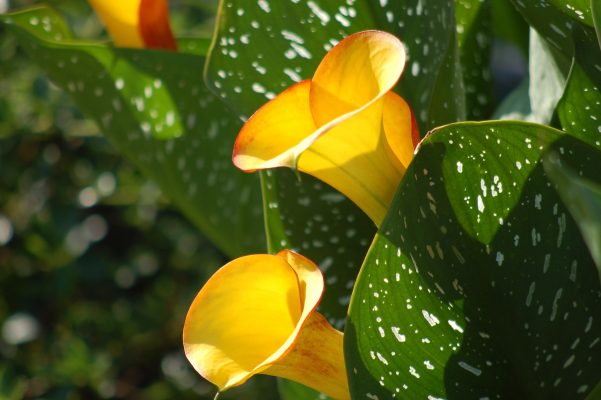
Calla Lily Care Guide: Unveiling the Elegance of Graceful Blooms
The Calla Lily, scientifically known as Zantedeschia spp., stands as a symbol of purity and...
read more
Dracaena Care Guide: Nurturing Elegance and Air-Purifying Grace
Dracaena, a diverse and captivating genus of plants, is prized for its stunning foliage and...
read more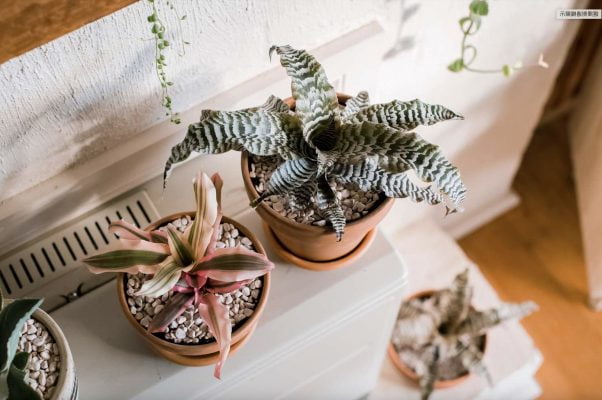
Cryptanthus Care Guide: Nurturing the Exquisite Beauty of Earth Stars
Cryptanthus, commonly known as Earth Stars, are captivating bromeliads appreciated for their unique star-like rosettes...
read more