










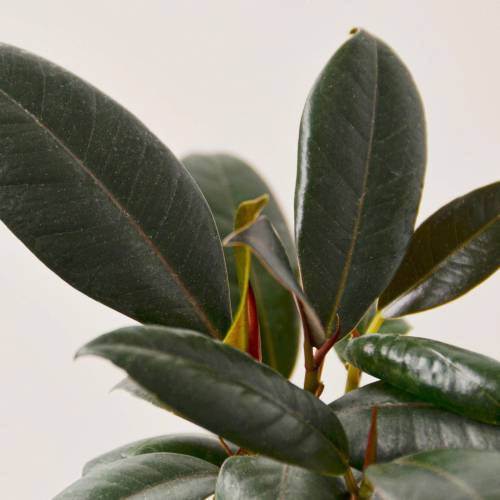
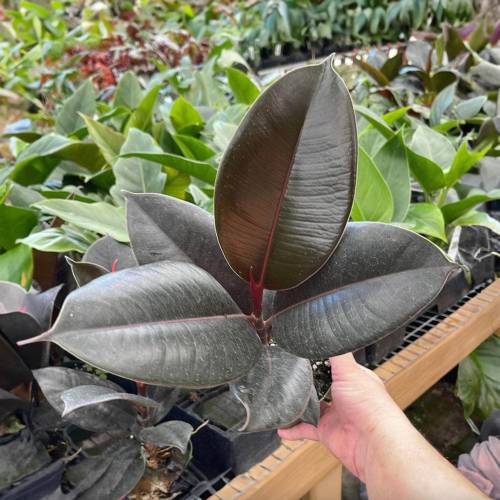
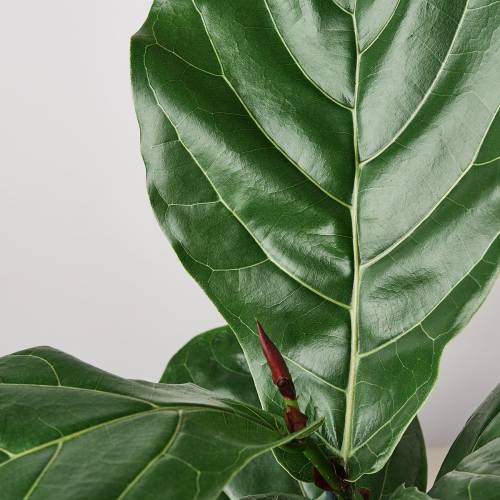
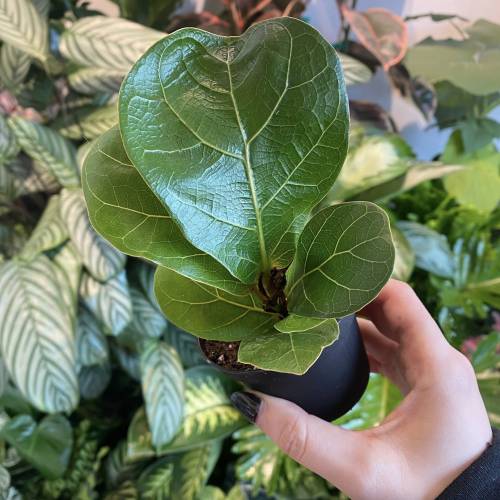
Ficus, a diverse genus that includes popular varieties like the Fiddle Leaf Fig (Ficus lyrata), is renowned for its elegant foliage and air-purifying capabilities. This comprehensive care guide is your key to mastering the art of nurturing Ficus plants, transforming your indoor space into a haven of greenery.
I. Plant Overview:
- Scientific Name: Varies by species (e.g., Ficus lyrata, Ficus elastica, Ficus benjamina)
- Common Names: Ficus, Fiddle Leaf Fig, Rubber Plant, Weeping Fig
- Origin: Native to tropical and subtropical regions worldwide.
II. Light Requirements:
- Ideal Conditions: Bright, indirect light. Ficus plants thrive in filtered sunlight.
- Tolerance: Adaptable to lower light conditions, but growth may be slower.
III. Watering:
- Frequency: Allow the top inch of soil to dry before watering. Keep the soil consistently moist during the growing season.
- Water Quality: Use room-temperature water. Ensure good drainage to prevent root rot.
- Humidity: Ficus plants appreciate higher humidity levels. Regular misting or a humidity tray is beneficial.
IV. Soil:
- Type: Well-draining potting mix. A mix for tropical plants or a blend for indoor plants is suitable.
- pH Level: Slightly acidic to neutral (pH 6.0-7.0).
V. Temperature and Humidity:
- Temperature: Maintain a warm environment between 65-75°F (18-24°C). Avoid drafts and sudden temperature drops.
- Humidity: Ficus plants are adaptable to average humidity levels.
VI. Fertilization:
- Schedule: Feed every 4-6 weeks during the growing season (spring and summer).
- Fertilizer: Use a balanced liquid fertilizer, diluted to half strength. Reduce fertilization in the dormant season.
VII. Pruning and Maintenance:
- Pruning: Trim to shape and control size. Remove any yellow or damaged leaves.
- Cleaning: Wipe leaves with a damp cloth to remove dust. Keep the plant’s appearance tidy.
VIII. Repotting:
- Frequency: Repot every 1-2 years or when the plant outgrows its container.
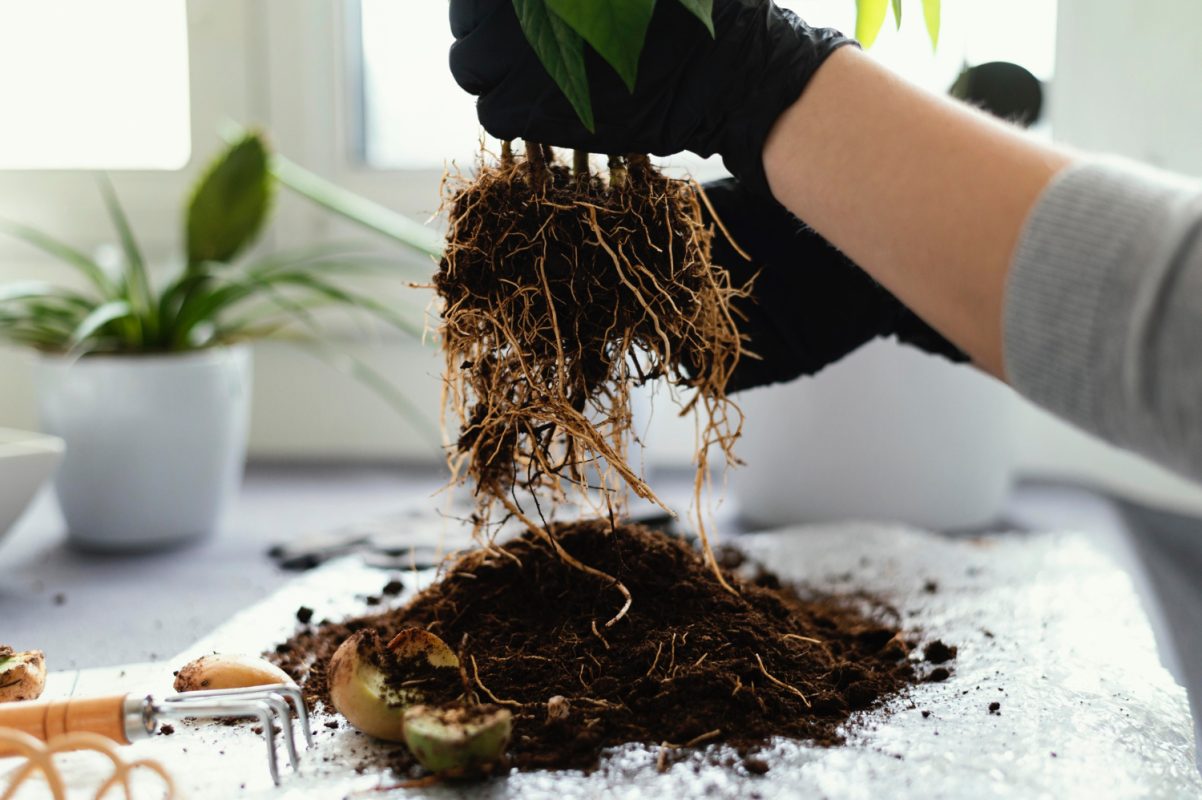
- Procedure: Gently lift the plant, inspect roots, and repot in fresh soil. Choose a container with drainage holes.
IX. Common Issues and Solutions:
- Leaf Drop: Sudden changes in light or temperature. Gradually acclimate the plant to new conditions.
- Pests: Keep an eye out for spider mites or scale. Treat with insecticidal soap or neem oil.
- Yellowing Leaves: Overwatering or underwatering. Adjust watering habits accordingly.
X. Propagation:
- Method: Stem cuttings or air layering.
- Timing: Spring or early summer.
- Process: Take a cutting with at least two nodes or encourage roots on a portion of the stem while still attached to the parent plant. Plant in fresh soil when roots are established.
Mastering Ficus care opens the door to a world of elegant and air-purifying plants. This guide empowers you to cultivate the art of nurturing Ficus, ensuring these botanical beauties thrive and enhance your indoor oasis. Happy gardening!
our recommendation
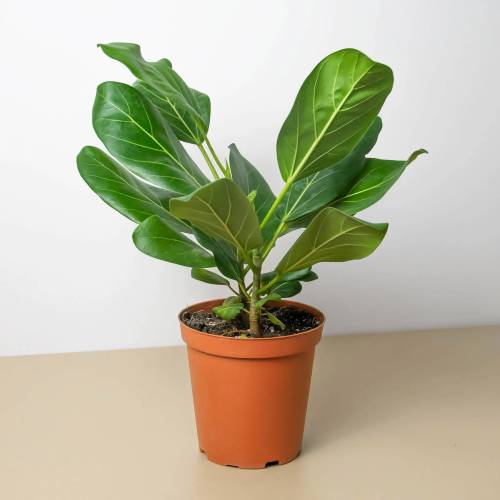
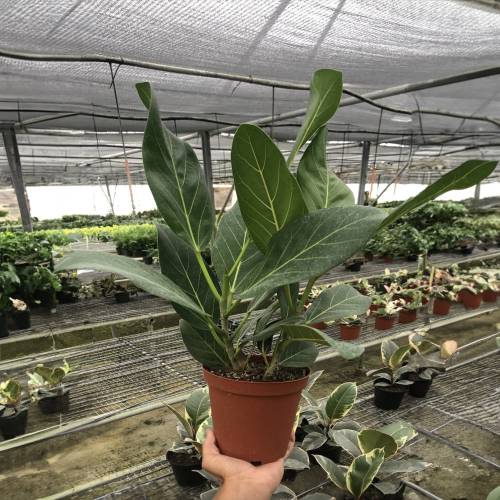
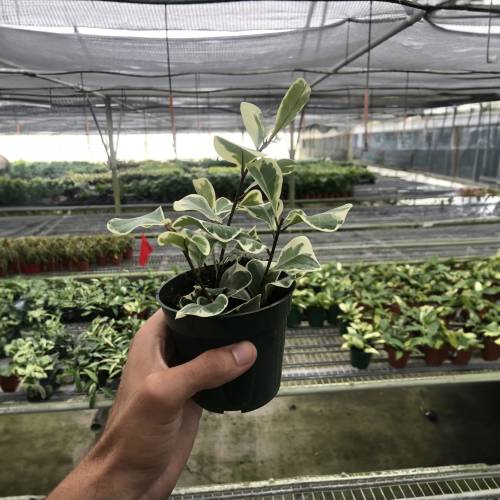
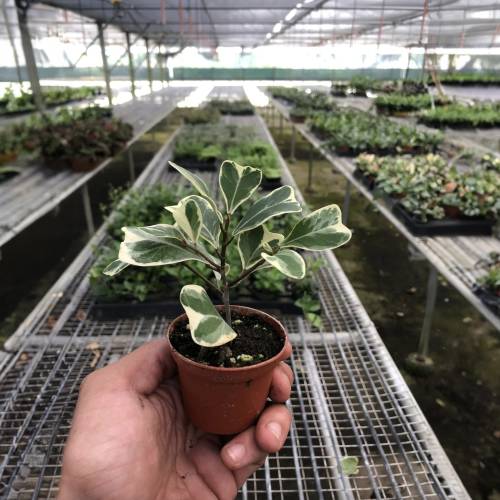
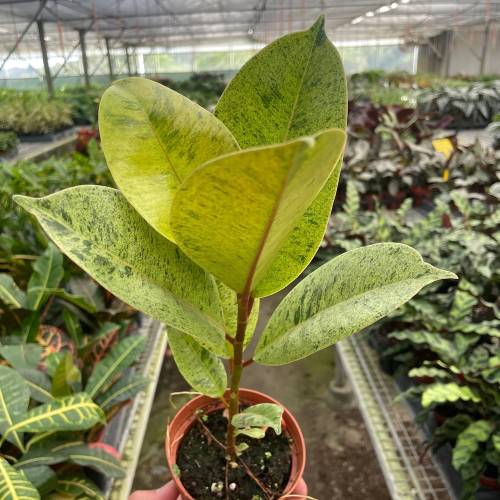
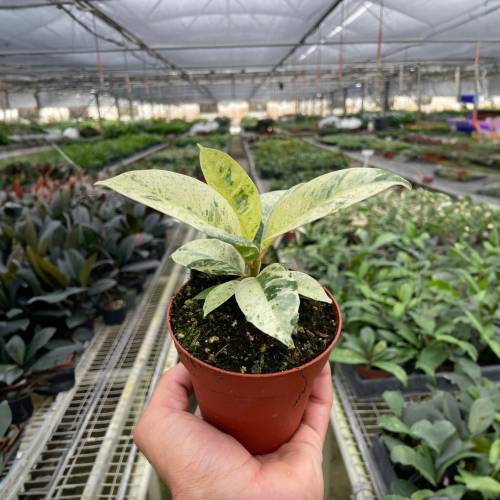
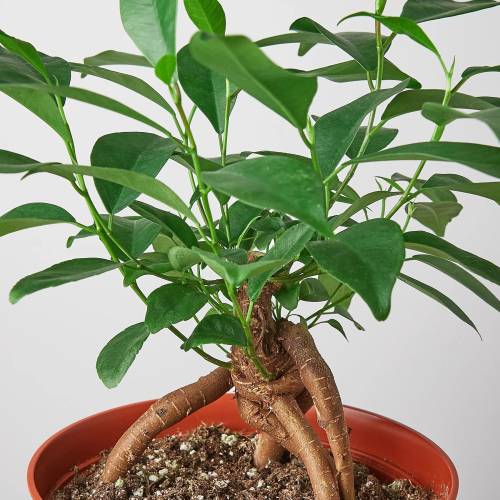
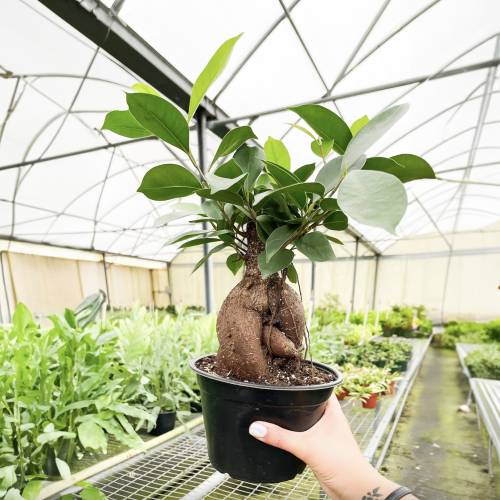
you may also want to know
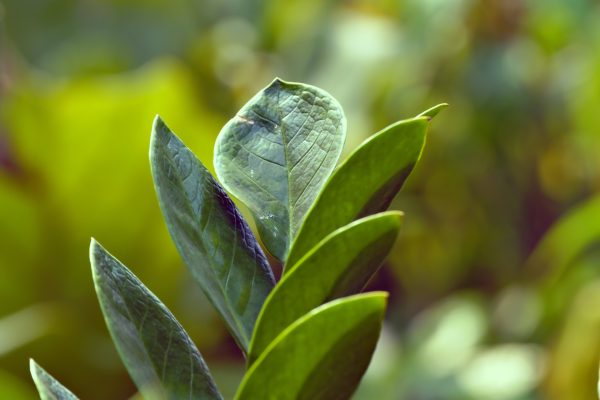
ZZ Plant Care Guide: Savoring the Resilient Elegance of Zamioculcas zamiifolia
The ZZ Plant, esteemed for its sturdy nature and glossy, dark-green foliage, is a low-maintenance...
read more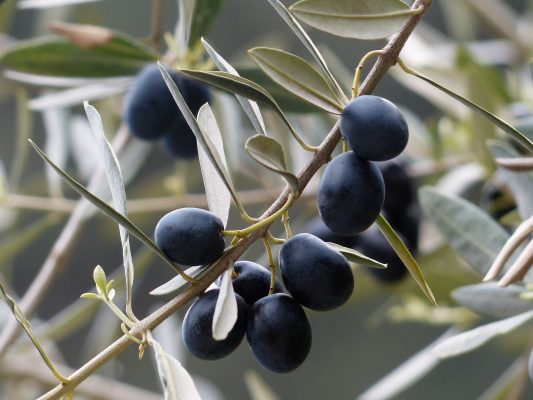
Olive Tree Care Guide: Cultivating Timeless Elegance and Culinary Delights
The Olive Tree, an emblem of enduring beauty and a source of delectable fruits, graces...
read more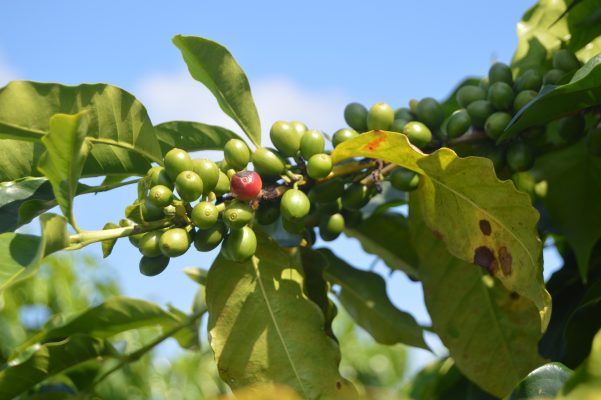
Coffee Tree Care Guide: Cultivating Your Own Rich and Robust Brew
The Coffee Tree, scientifically known as Coffea spp., is the source of the beloved beverage...
read more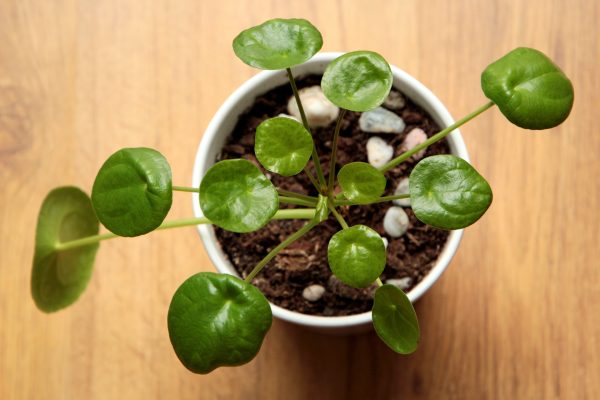
Pilea Care Guide: Nurturing the Quirky Elegance of Chinese Money Plant
Pilea, affectionately known as the Chinese Money Plant, charms with its distinctive circular leaves and...
read more
Calathea Care Guide: Embracing the Vibrant Elegance of Prayer Plants
Calatheas, cherished for their vibrant and intricately patterned foliage, are a stunning family of houseplants...
read more
5 Lucky Plants That Are Believed to Bring Good Luck
Plants not only add beauty and life to our homes, but many are also thought...
read more
Money Tree Care Guide: Growing Prosperity with Feng Shui Foliage
The Money Tree, esteemed for its unique braided trunk and five-fingered leaves, is not only...
read more
Schismatoglottis Care Guide: Unveiling the Exotic Elegance of Asian Evergreens
Schismatoglottis, prized for its stunning foliage and exotic allure, belongs to the Araceae family. This...
read more