


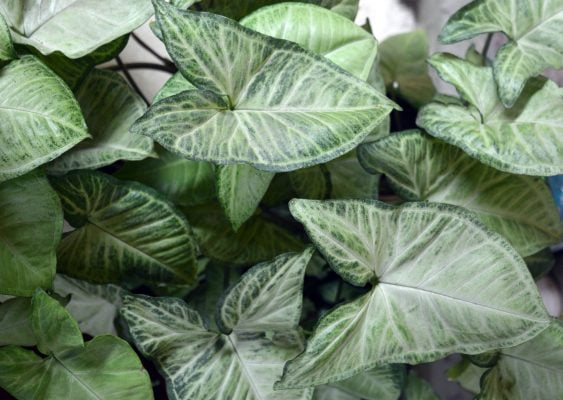
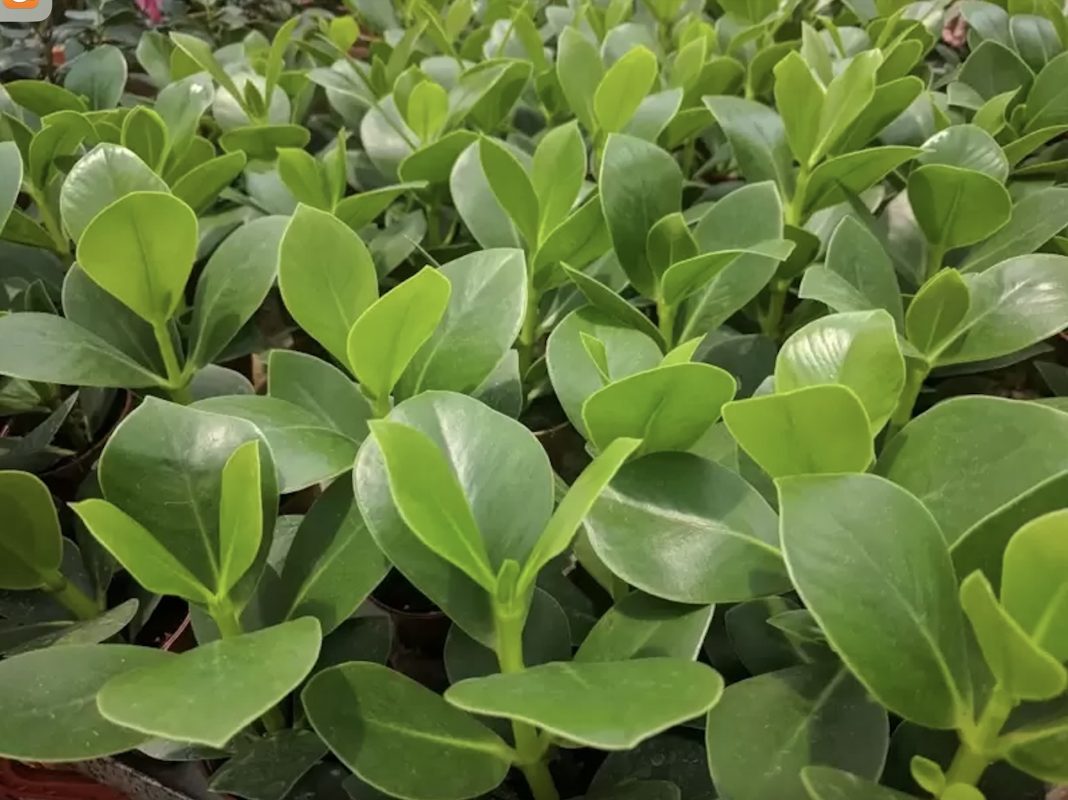
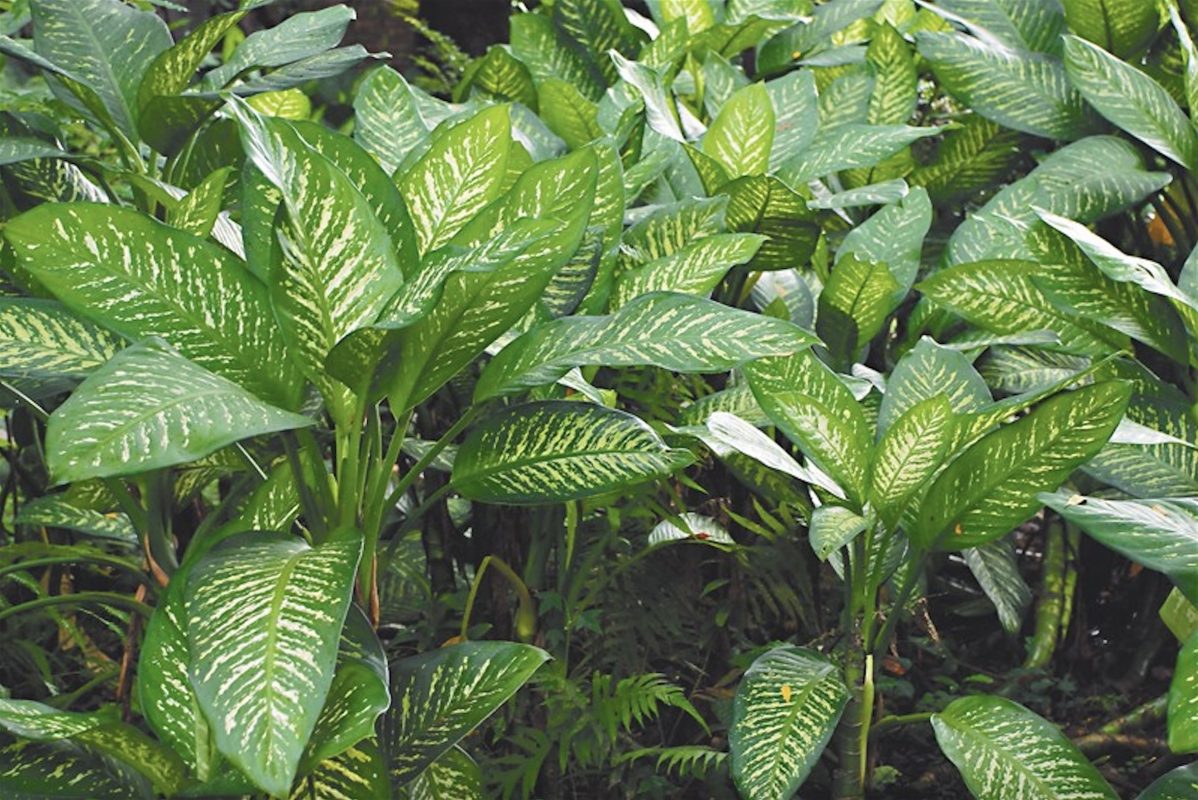
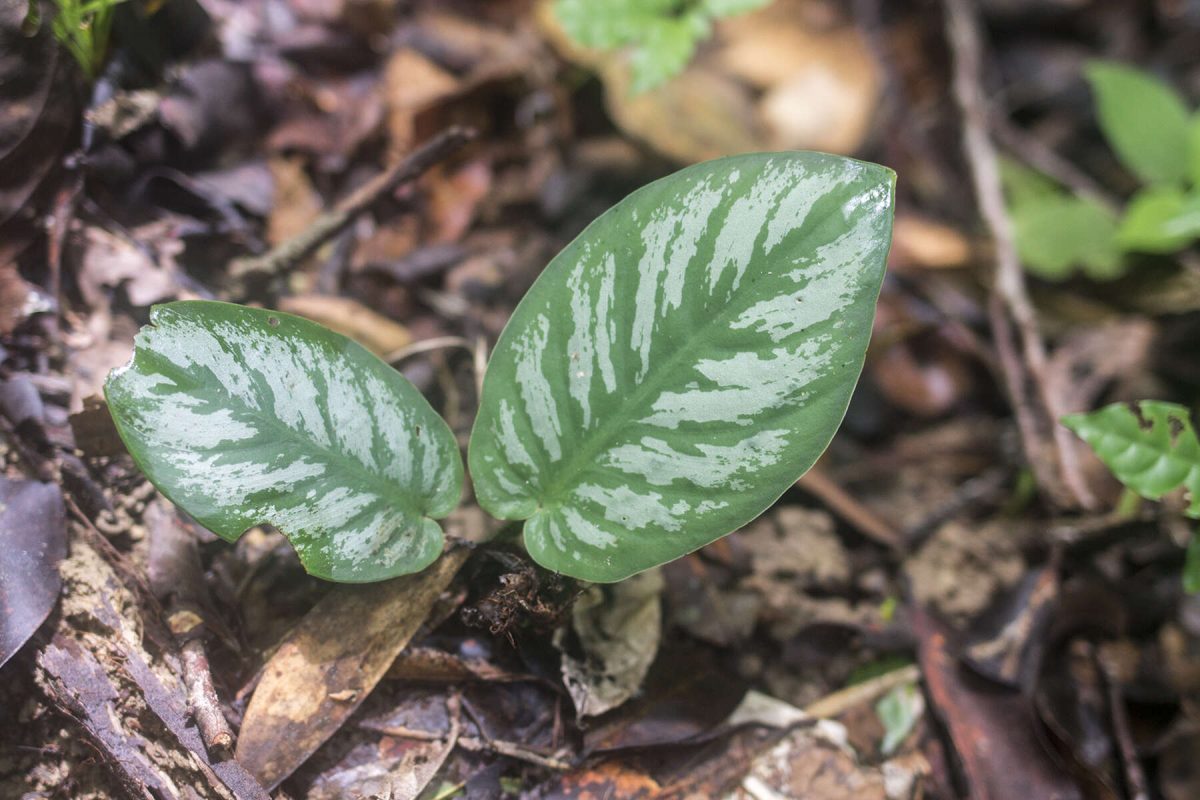
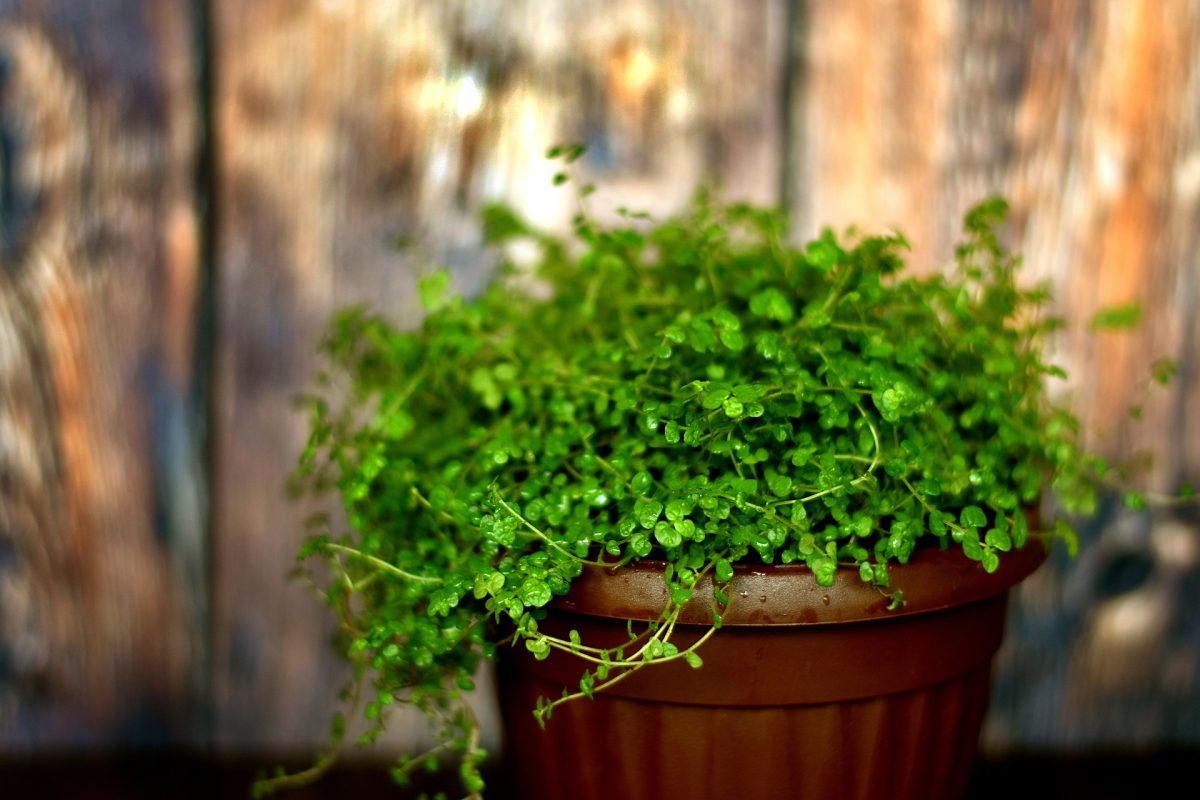
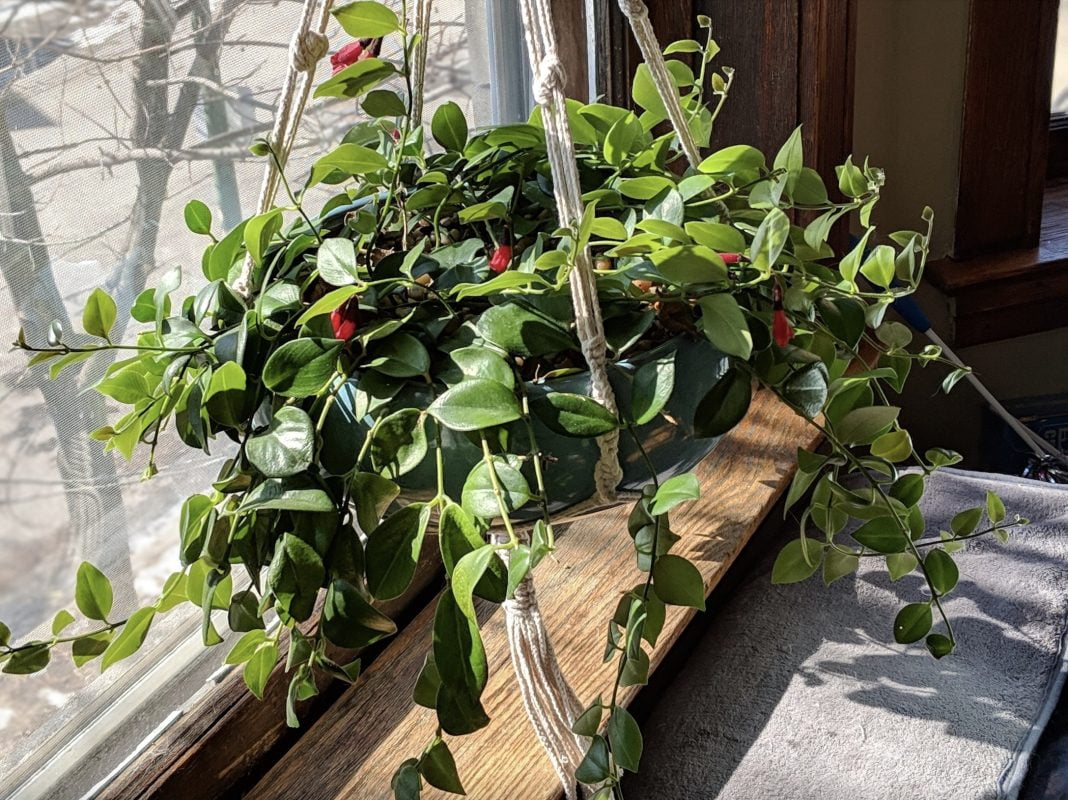
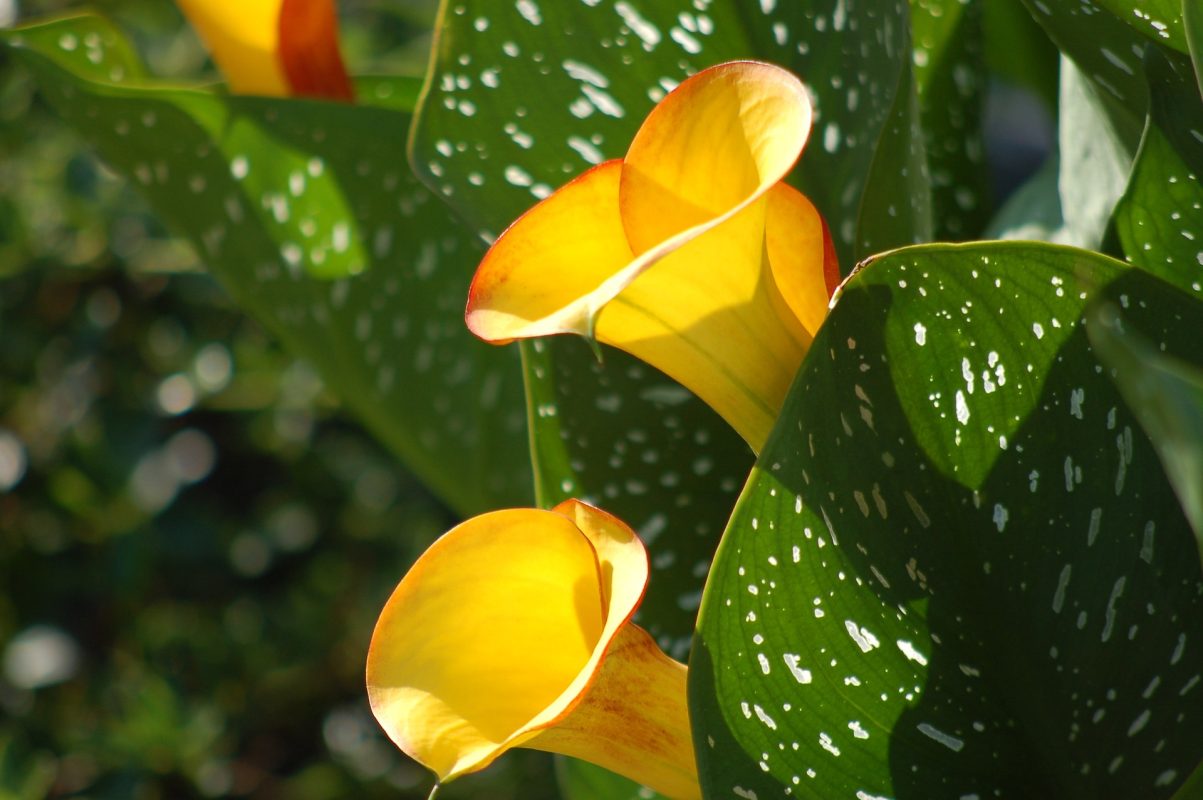
Piper Crocatum, commonly known as the Golden Pothos or Devil’s Ivy, is celebrated for its lush, heart-shaped leaves and air-purifying qualities. This comprehensive care guide is your pathway to revealing the vibrancy of the Golden Pothos, guiding you through the steps to cultivate these resilient plants, promote cascading greenery, and transform your indoor space into a haven of natural beauty.
I. Plant Overview:
- Scientific Name: Epipremnum aureum (formerly classified as Scindapsus aureus)
- Common Names: Golden Pothos, Devil’s Ivy, Money Plant
- Origin: Native to Southeast Asia.
II. Light Requirements:
- Ideal Conditions: Moderate to bright, indirect light. Golden Pothos thrives in filtered sunlight.
- Tolerance: Adaptable to lower light conditions but prefers well-lit areas.
III. Watering:
- Frequency: Allow the top inch of soil to dry before watering. Water thoroughly and let excess water drain.
- Water Quality: Use room-temperature water. Golden Pothos is tolerant of occasional dry periods.
- Humidity: Adapts well to average indoor humidity levels.
IV. Soil:
- Type: Well-draining potting mix. A standard indoor plant mix or a blend for tropical plants is suitable.
- pH Level: Slightly acidic to neutral (pH 6.0-7.0).
V. Temperature and Humidity:
- Temperature: Maintain a moderate environment between 60-80°F (15-27°C).
- Humidity: Golden Pothos tolerates a range of humidity levels but benefits from occasional misting.
VI. Fertilization:
- Schedule: Feed every 4-6 weeks during the growing season (spring and summer).
- Fertilizer: Use a balanced liquid fertilizer, diluted to half strength. Reduce fertilization in the dormant season.
VII. Pruning and Maintenance:
- Pruning: Trim to control size and shape. Pinch back regularly to encourage bushier growth.
- Cleaning: Wipe leaves with a damp cloth to remove dust. Remove any yellow or damaged leaves.
- Propagation: Easily propagated through stem cuttings in water or soil.
VIII. Repotting:
- Frequency: Repot every 1-2 years or when the Golden Pothos outgrows its container.
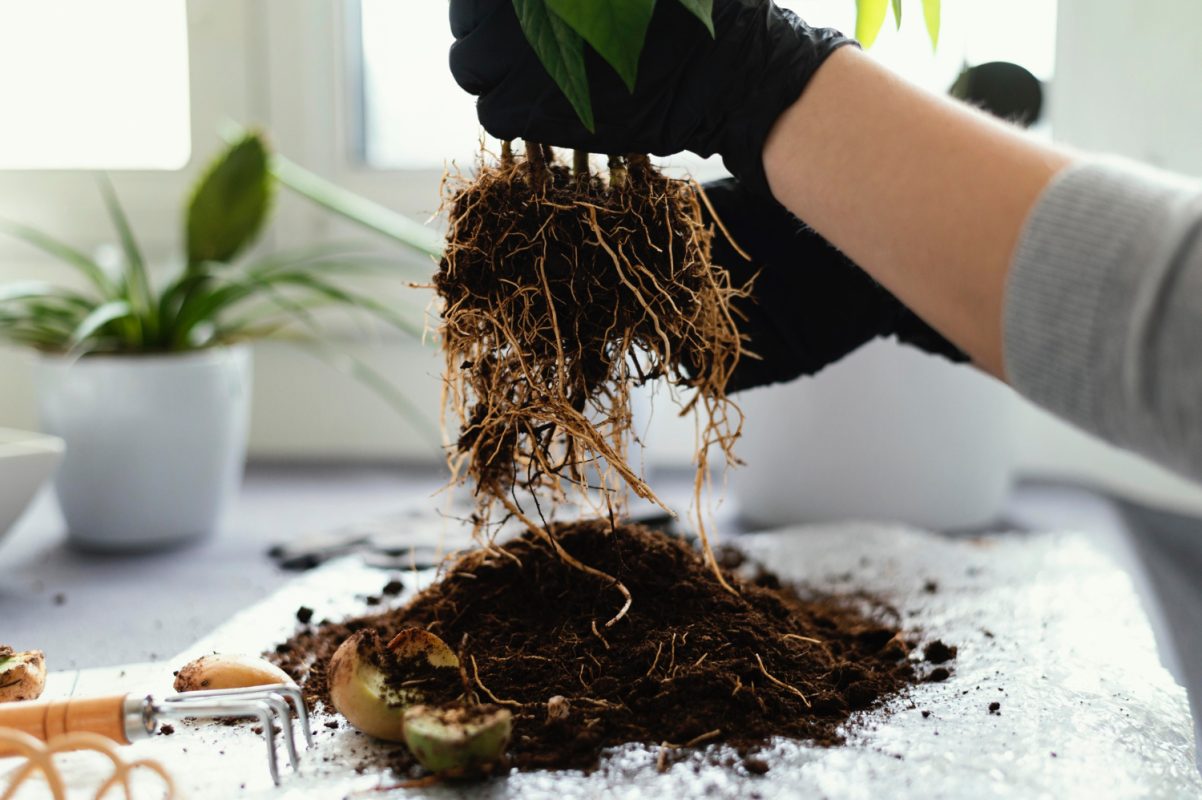
- Procedure: Gently lift the plant, inspect roots, and repot in fresh soil. Choose a container with drainage holes.
IX. Common Issues and Solutions:
- Yellowing Leaves: Overwatering or underwatering. Adjust watering habits accordingly.
- Pests: Check for spider mites or scale. Treat with insecticidal soap or neem oil.
- Leggy Growth: Insufficient light. Provide more indirect sunlight for compact growth.
X. Display Tips:
- Hang Golden Pothos in decorative pots or place them on high shelves for cascading beauty.
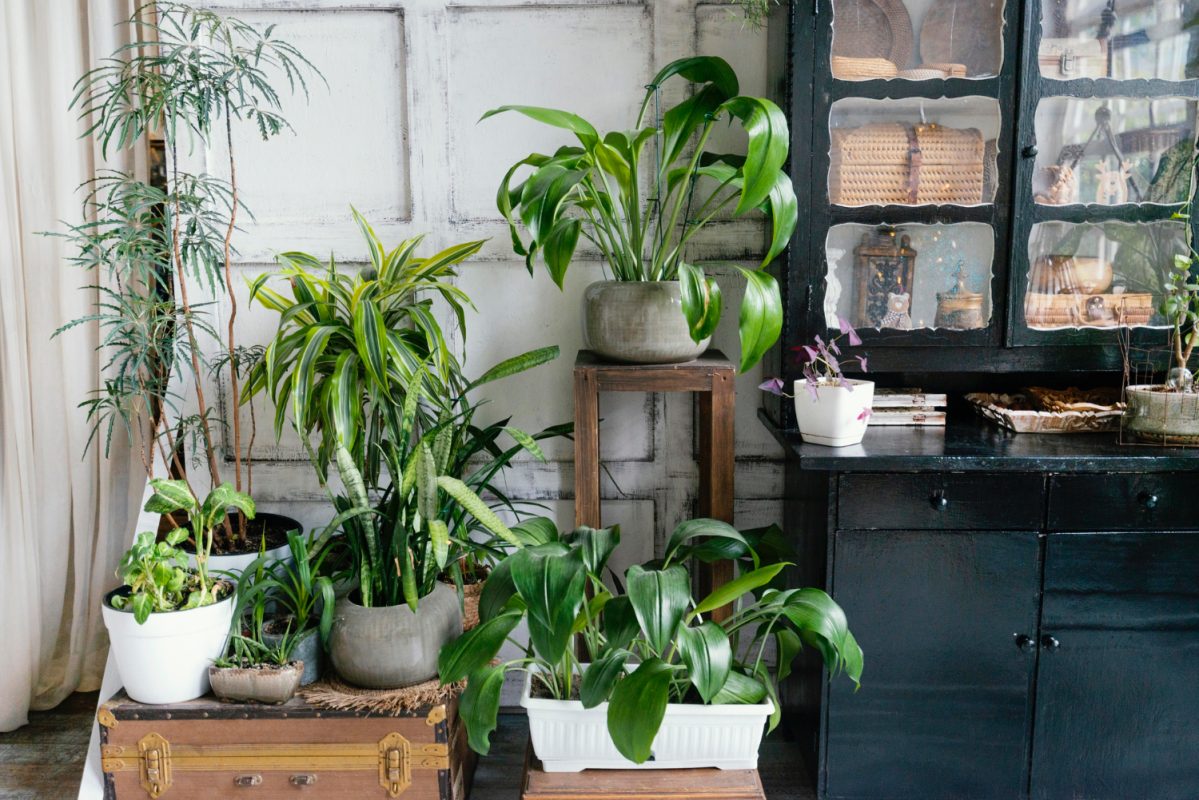
- Combine Golden Pothos with other indoor plants for a lush and diverse display.
- Showcase the versatility of Golden Pothos by training it to climb or trail.
Caring for Piper Crocatum unveils the enduring beauty of the Golden Pothos. This guide empowers you to cultivate these vibrant plants, ensuring they thrive and bring cascading greenery into your living environment. Happy gardening!
our recommendation
you may also want to know

Top 15 Pet Friendly Plants for Cats and Dogs
If you're a pet owner who loves plants, finding greenery that is safe for your...
read more
Bromeliad Care Guide: Unlocking the Beauty of Exotic Elegance
Bromeliads, a diverse family of tropical plants, are celebrated for their vibrant, exotic foliage and...
read more
Winter-Ready Houseplants: 5 Best Picks for a Cozy Home
When the temperature drops and the days get shorter, houseplants become an excellent way to...
read more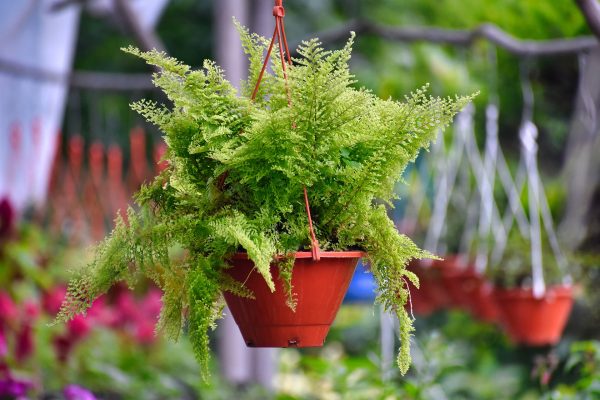
Fern Care Guide: Cultivating Green Splendor in the Leafy Kingdom
Ferns, an ancient and diverse group of plants, enchant with their delicate fronds and lush...
read more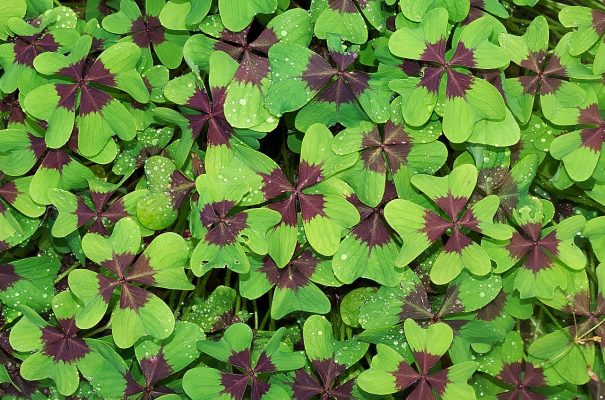
5 Lucky Plants That Are Believed to Bring Good Luck
Plants not only add beauty and life to our homes, but many are also thought...
read more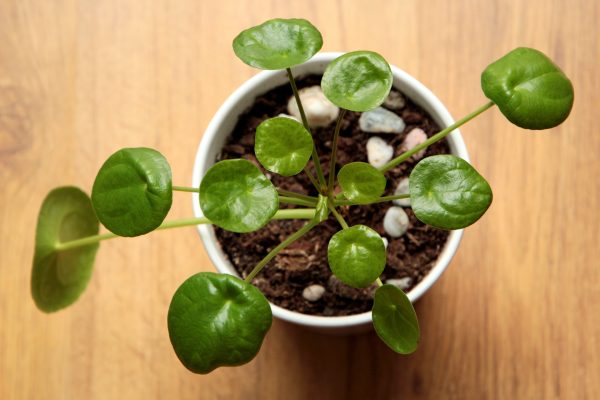
Pilea Care Guide: Nurturing the Quirky Elegance of Chinese Money Plant
Pilea, affectionately known as the Chinese Money Plant, charms with its distinctive circular leaves and...
read more
Spider Plant Care Guide: Weaving Green Elegance with Chlorophytum comosum
The Spider Plant, admired for its arching foliage and air-purifying capabilities, is a resilient and...
read more
Lucky Indoor Plants for Wealth and Prosperity This Lunar New Year
The Lunar New Year is a time of renewal, celebration, and setting intentions for prosperity...
read more